Category Archives: Uncategorized

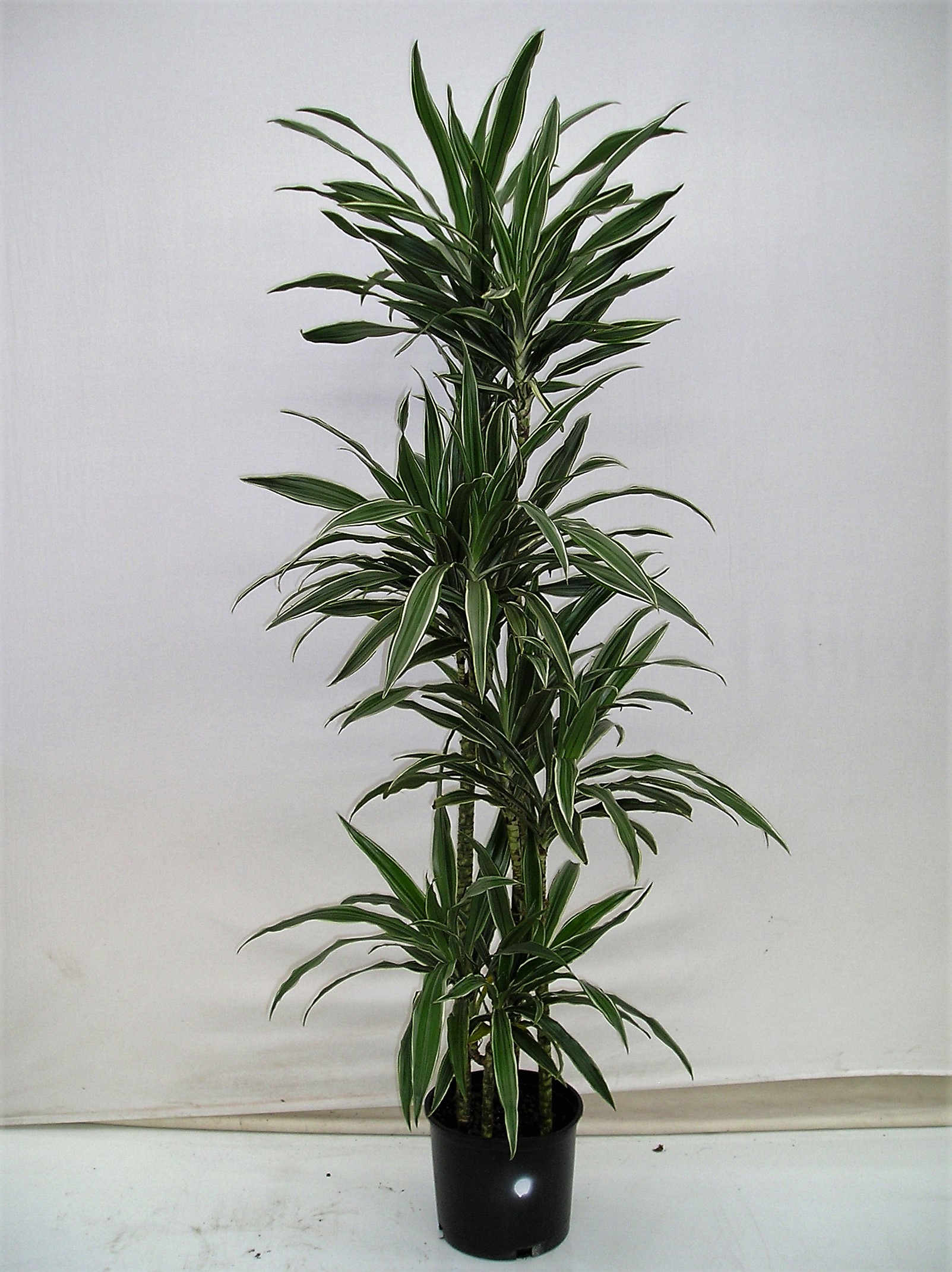
Dracaena Warneckii

Dracaena Warneckii: A Striking, Low-Maintenance Plant for Professional Interiorscapes

When it comes to durable indoor plants that bring both structure and visual contrast to interior environments, few varieties perform as consistently as the Dracaena Warneckii. Known for its distinctive greyish-white striped foliage and upright architectural growth habit, this plant offers a refined, professional appearance that has made it a long-standing favorite in interiorscape design.

Slow growing, resilient, and highly adaptable to indoor conditions, Warneckii provides long-lasting structure with minimal maintenance. Its bold variegation adds brightness and contrast, making it an ideal choice for commercial interiors, offices, hospitality environments, and residential spaces that need a dependable yet visually interesting plant.

Downloadable Brochure

What Makes Dracaena Warneckii Unique

Distinctive Striped Foliage

One of the most recognizable features of Dracaena Warneckii is its elegant greyish-white striping that runs through deep green leaves. This bright, natural variegation gives the plant a clean, refined appearance that stands out among other dracaena varieties.

While many dracaenas feature darker, solid foliage, Warneckii offers a lighter, more dynamic color palette that instantly draws the eye and brightens interior spaces.

A Unique Look Compared to Other Dracaenas

Warneckii brings a completely different aesthetic compared to its solid-green relatives. Its striped foliage introduces visual contrast and texture, making it a natural focal point in plant groupings or interiorscape installations.

Because of its bold leaf pattern, designers often pair Warneckii with solid green underplantings so the foliage remains the visual highlight.

Very Slow Growing for Long-Term Installations

One of the biggest advantages of Dracaena Warneckii is its slow, predictable growth rate. Unlike fast-growing plants that require frequent trimming or replacement, Warneckii maintains its structure and proportions for years.

This slow growth makes it especially valuable for commercial interiorscapes, where maintaining consistent plant design over time is essential.

Architectural Cane Structure

Like other dracaena varieties, Warneckii grows from sturdy upright canes that create vertical structure and a strong architectural silhouette.

Even when the canes are visible, they contribute to the plant’s intentional, professional look, making Warneckii an excellent choice for modern interior design.

Adaptable to a Wide Range of Interior Light Conditions

Dracaena Warneckii performs well across mixed interior lighting environments. From lower-light office areas to brighter indoor spaces, this plant adapts well and maintains its structure without becoming stretched or leggy.

This adaptability makes it an ideal choice for offices, hallways, lobbies, and interior commercial environments where lighting conditions can vary.

Watering and Care Requirements

Like most dracaena varieties, Warneckii is a low-maintenance plant with simple care requirements.

Allow the soil to dry slightly between waterings. Overwatering should be avoided, as dracaenas prefer well-drained soil conditions.

Because tap water can sometimes contain minerals that accumulate in the soil, occasional soil leaching is recommended to flush excess salts and help prevent leaf tip browning.

Overall, Warneckii follows the same easy care guidelines as other dracaena varieties, making it easy to incorporate into mixed plant installations.

Available Sizes

At our wholesale nursery, Dracaena Warneckii is typically available in heights ranging from 4.5 to 7 feet, with mature plants reaching up to 8 feet over time in ideal interior conditions.

Pot sizes and cane counts include:

  • 2-gallon – 3 canes
  • 3-gallon – 4 canes
  • 5-gallon – 5 canes

This variety provides strong vertical presence without overwhelming interior spaces.

Additional Information

Janet Craig Compacta is known for its consistency and resilience across a wide range of interior conditions. Pest pressure is generally low, with spider mites being the primary concern in extremely dry environments. Regular inspections, proper airflow, and appropriate watering keep this plant looking its best.

Additional Names

Dracaena Warneckii is also commonly known as:

  • Warneckii Dracaena
  • Dracaena deremensis ‘Warneckii’
  • Striped Dracaena

Pest Resistance and Longevity

Warneckii is known for its reliability and long lifespan indoors. Pest pressure is generally low, though spider mites may occasionally appear in very dry indoor environments.

Routine inspections, proper watering, and periodic soil leaching will help ensure the plant remains healthy and vibrant for years.

Grower’s Tips for Best Performance

  • Don’t overwater — allow soil to dry between waterings
  • Trim brown leaf edges with a razor for a clean appearance
  • Warneckii can be moved to a slightly lower-light location if you want to slow water usage even further

Plants That Pair Well with Warneckii

Because Warneckii features bold striped foliage, it pairs best with solid green companion plants that won’t compete with its pattern.

Popular combinations include:

  • ZZ Plant
  • Aglaonema
  • Pothos
  • Philodendron
  • Snake Plant
  • Other deep green dracaena varieties

Dracaena Warneckii Key Characteristics

Attribute Profile
Light Mixed interior light
Water Low
Pest Resistance Average
Growth Habit 4–7 feet (up to 8 feet over time)
Popularity Stable

Dracaena Warneckii continues to be one of the most dependable and visually distinctive plants used in interiorscapes today. Its bright striped foliage, slow growth, and adaptability to indoor conditions make it an excellent choice for designers, plant professionals, and commercial environments looking for long-lasting beauty with minimal maintenance.

Contact us today to get yours!

For availability or to place an order, contact:
West Coast Nurseries Group, Inc.
sales@westcoastnurseries.com
Dracaena Janet Craig Compacta

Dracaena Janet Craig Compacta: The Ultimate Low-Light, Low-Maintenance Interiorscape Plant

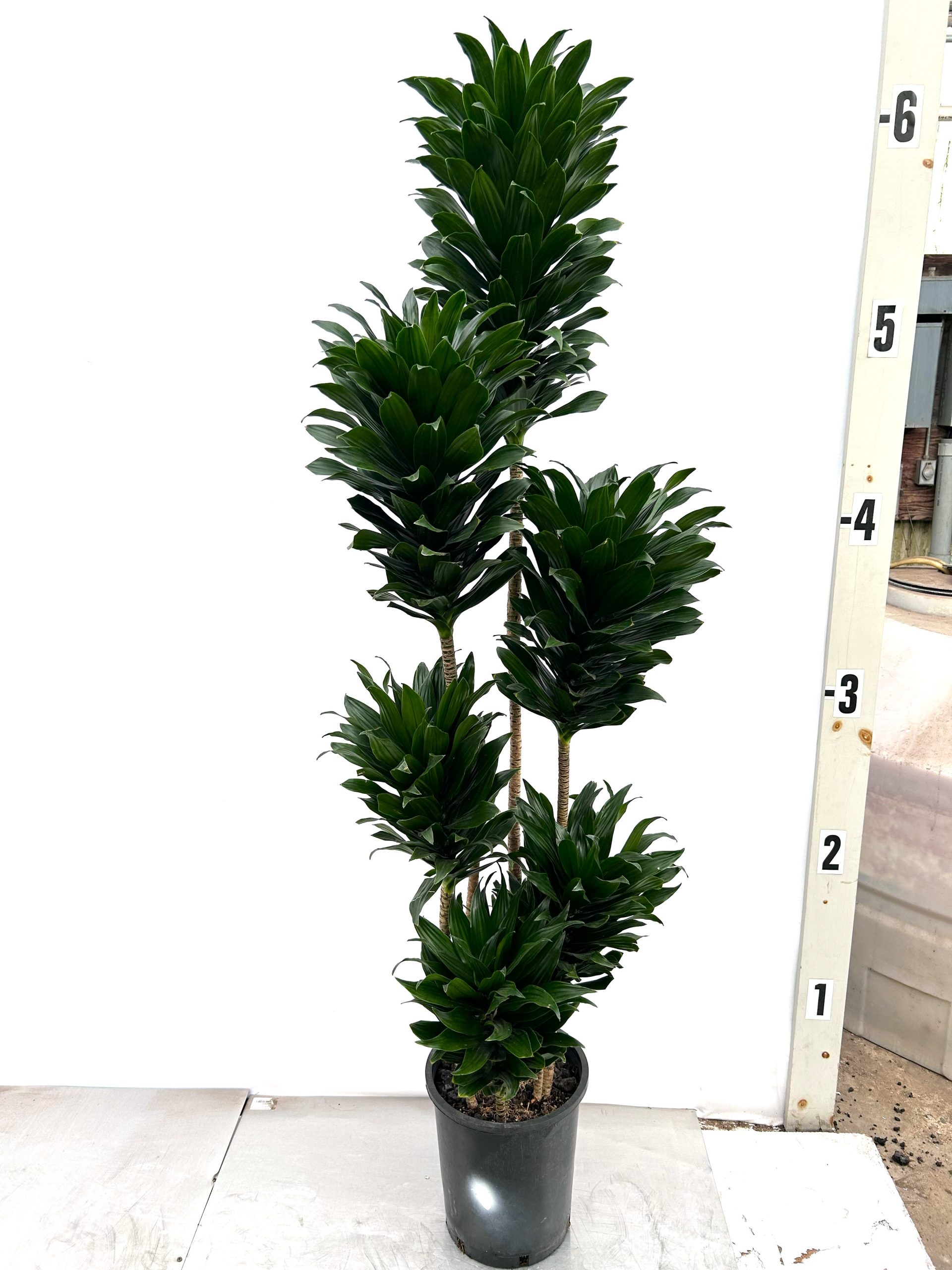
When it comes to dependable interior plants that hold their shape, tolerate low light, and stand the test of time, Dracaena Janet Craig Compacta is in a class of its own. Known as the most compact and slow-growing member of the Janet Craig family, Compacta is widely regarded as the hardiest dracaena available and a cornerstone plant in professional interiorscaping.

With its dark green foliage, architectural cane structure, and exceptional durability, Janet Craig Compacta is the ideal solution for long-term interior installations where consistency, longevity, and minimal maintenance are key.

Downloadable Brochure

Why Janet Craig Compacta Is an Interiorscape Favorite

Exceptional Durability and Long-Term Performance

Janet Craig Compacta is considered the most resilient of all dracaenas. Its thick canes, tight leaf clusters, and slow growth habit make it extremely forgiving in interior environments. Unlike faster-growing varieties that require frequent reshaping or replacement, Compacta maintains its structure for years, making it a cost-effective and reliable choice for commercial interiors.

Superior Low-Light Performance Without Stretch

One of Compacta’s greatest advantages is its ability to thrive in low-light conditions without stretching. While many dracaenas elongate or lose form when light is limited, Janet Craig Compacta holds its compact shape better than any other dracaena variety.

  • Low light: Performs exceptionally well with minimal stretch
  • Medium light: Encourages stronger canes and slightly fuller foliage
  • High light: Tolerated but unnecessary and may increase water needs
    This makes Compacta ideal for offices, corridors, healthcare facilities, and interior spaces with limited natural light.

Compact, Dark Green Foliage With a Refined Look
Janet Craig Compacta features small, short, dark green leaves that stay tight to the cane. The foliage is narrow and controlled—not wild, floppy, or wide—creating a clean, professional appearance that designers trust.

Unlike fuller dracaenas that require dense foliage from top to bottom, Compacta embraces its visible cane structure. This intentional openness adds architectural interest and makes the plant visually appealing even when not fully leafed out.

Same Simple Care as Other Dracaenas

Despite its refined appearance, Janet Craig Compacta follows the same straightforward care routine as other dracaena varieties.

Watering Guidelines

  • Allow soil to dry between waterings
  • Avoid overwatering, which is the most common issue
  • Periodically leach the soil to flush excess salts caused by calcium buildup in water

Salt accumulation can lead to tip browning, but this is easily managed with proper watering practices and occasional soil flushing.

Easy Structural Maintenance Over Time
As Janet Craig Compacta matures, some canes may become slightly floppy. This is a normal part of the plant’s aging process and is easily corrected with a discreet bamboo stake (typically 7–8 feet). Staking restores upright form without affecting the plant’s natural, architectural look.

Ideal Applications for Janet Craig Compacta

Thanks to its durability, low-light tolerance, and slow growth, Janet Craig Compacta is perfectly suited for:

  • Commercial interiors
  • Corporate offices
  • Healthcare facilities
  • Hospitality environments
  • Residential projects
  • Long-term interiorscape installations

Anywhere a compact, dependable, and professional plant is required, Compacta delivers.

Additional Information

Janet Craig Compacta is known for its consistency and resilience across a wide range of interior conditions. Pest pressure is generally low, with spider mites being the primary concern in extremely dry environments. Regular inspections, proper airflow, and appropriate watering keep this plant looking its best.

Additional names:
Dracaena ‘Janet Craig Compacta’, Janet Craig Compacta Dracaena.

Grower’s Tips for Best Performance

  • Let soil dry between waterings
  • Periodically leach soil to remove salt buildup
  • Stake canes as needed to maintain structure
  • Performs best in low to medium light

Plants That Pair Well With Janet Craig Compacta
Janet Craig Compacta pairs beautifully with other durable, low-light plants such as ZZ Plant, Aglaonema, Pothos, Philodendron, compact palms, and low-growing dracaena varieties. These combinations enhance visual balance while maintaining consistent care requirements.

Key Characteristics at a Glance

Attribute Profile
Light Low–Medium
Water Low
Pest Resistance Average
Growth Habit Compact, slow-growing, upright canes
Popularity Highly popular in interiorscaping

Contact us today to get yours!

For availability or to place an order, contact:
West Coast Nurseries Group, Inc.
sales@westcoastnurseries.com
Janet Craig

Dracaena Janet Craig: A Proven Classic for Interior Landscaping Projects

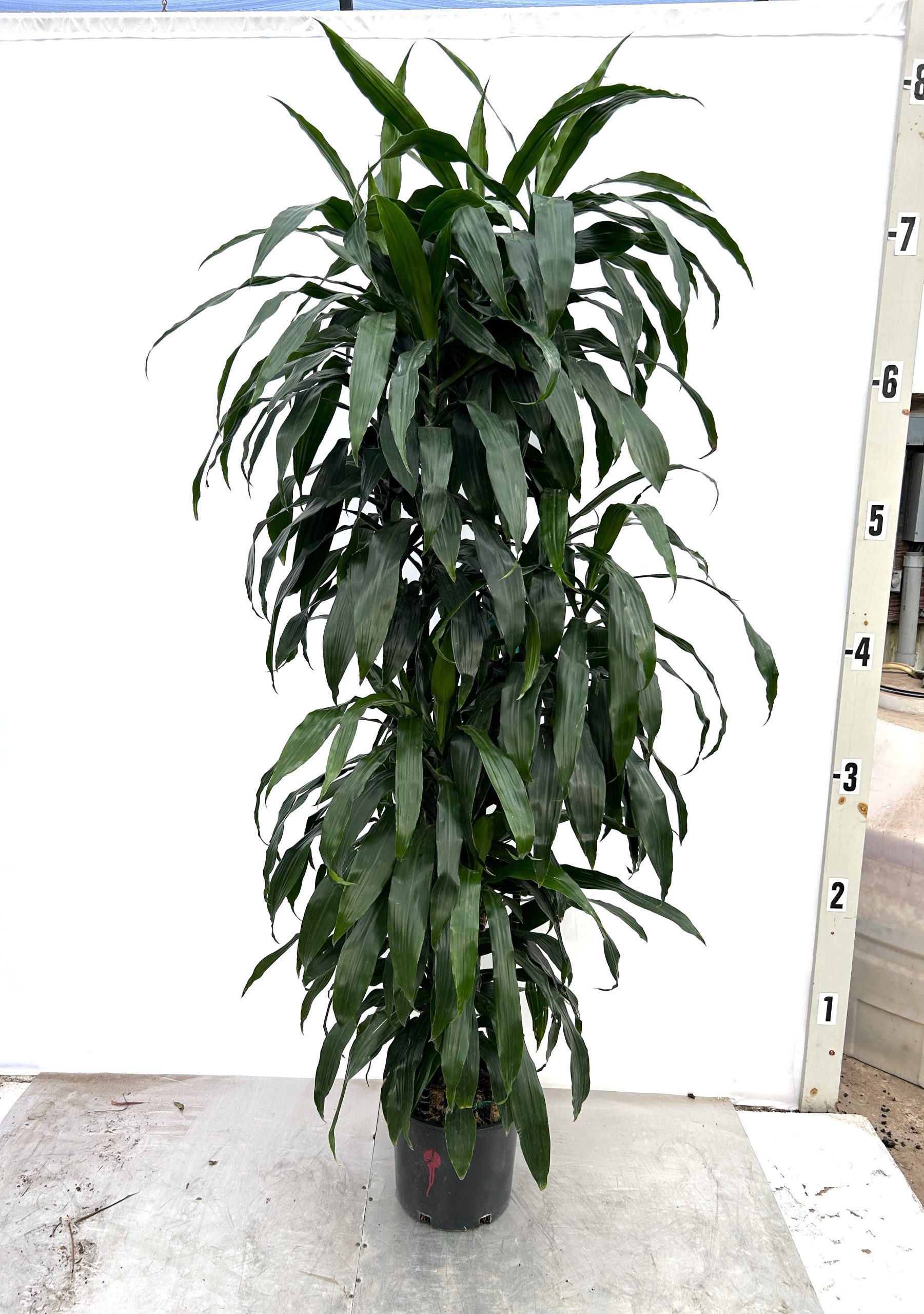
When it comes to dependable, timeless foliage plants, Dracaena Janet Craig stands in a class of its own. For decades, this iconic variety has been a cornerstone of the interior scaping industry, trusted by professionals for its durability, longevity, and refined appearance. If your project demands a plant that performs beautifully over time—especially in low-light interior environments—Janet Craig delivers with confidence.

Downloadable Brochure

Why Interior scapers Continue to Choose Janet Craig

A Proven Industry Favorite

Janet Craig is considered one of the true originals in the dracaena family. Long before newer varieties entered the market, interiorscapers relied on this plant for its consistency and forgiving nature. Its track record speaks for itself: reliable performance, minimal issues, and a classic look that never goes out of style.

Heartier Than Hilo Girl with Similar Long-Leaf Appeal
Designers often appreciate the elegant, elongated leaves seen in varieties like Hilo Girl—but Janet Craig offers that same graceful aesthetic with added strength. Its sturdier structure and slower growth habit allow it to hold form longer, making it better suited for long-term interior installations and commercial jobsites.

Classic Upright Growth with a Fuller Presence
Dracaena Janet Craig grows in a strong, upright cane form with arching, deep green foliage that creates a lush yet polished silhouette. It strikes the perfect balance: professional and refined without feeling rigid or overly architectural, making it adaptable to a wide range of design styles.

Exceptional Longevity & Structural Stability
One of Janet Craig’s standout qualities is its slow, steady growth. Unlike faster-growing dracaenas that stretch quickly, this variety maintains proportion and balance for extended periods. This translates to fewer replacements, lower maintenance costs, and better long-term performance—key benefits for commercial interiors

Light & Water Requirements

Thrives in Low to Medium Light
Janet Craig excels where many plants struggle, making it ideal for challenging interior environments.

  • Low light: Performs extremely well with minimal stretching
  • Medium light: Promotes fuller foliage and stronger canes
  • High light: Tolerated, but unnecessary and may increase watering needs

Forgiving Water Needs
This plant prefers drying out between waterings and is highly forgiving if watering is inconsistent. Overwatering is the most common issue, so allowing the soil to dry helps maintain healthy roots and foliage. Occasional tip browning may occur but is easily managed.

Rich, Deep Green Foliage That Holds Color
Janet Craig is prized for its solid, dark green leaves that maintain their color even in low-light conditions. The foliage is broader and more relaxed than many newer dracaena varieties, giving it a lush, timeless look that clients instantly recognize and trust.

Available Sizes & Pot Options
We offer Dracaena Janet Craig in heights ranging from 4.5 feet to 8 feet, with long-term potential to reach 9–10 feet with proper care.

Pot sizes and cane counts:

  • Height: 4.5 feet to 7 feet (can grow taller indoors with proper care)
  • Pot Sizes & Cane Counts:
    • 2-gallon: 3 canes
    • 3-gallon: 4 canes
    • 5-gallon: 5 canes
    • 7-gallon: 6 canes

Additional Names

  • Dracaena ‘Janet Craig’
  • Janet Craig Dracaena

Perfect for Interior Applications Including:

  • Commercial interiors
  • Corporate offices
  • Healthcare facilities
  • Hospitality environments
  • Residential spaces
  • Any project requiring a durable, low-light-tolerant plant with a proven track record

Additional Growing Information
As one of the most established plants in the interiorscape industry, Janet Craig is known for its resilience and consistency. Pest pressure is generally low, with spider mites being the primary concern in very dry environments. Proper watering practices, adequate airflow, and routine inspections help keep plants looking their best.

Grower’s Tips for Best Performance

  • Avoid overwatering; allow soil to dry between waterings
  • Use a razor blade to precisely and gently remove burnt leaf tips
  • Performs best in low to medium light

Plants That Pair Well with Janet Craig
For cohesive, professional plant designs, Janet Craig pairs beautifully with:

  • ZZ Plant
  • Aglaonema
  • Pothos
  • Philodendron
  • Compact palms
  • Low dracaena varieties

These companions enhance its classic form while reinforcing a lush, layered interiorscape.

Key Characteristics at a Glance

Attribute Profile
Light Low–Medium
Water Low
Pest Resistance Average
Growth Habit 7+ feet
Popularity Popular

Looking for a reliable, long-performing foliage plant your clients already trust?
Dracaena Janet Craig remains one of the smartest, safest, and most respected choices in the interiorscaping industry—today and for years to come.

Contact us today to get yours!

For availability or to place an order, contact:
West Coast Nurseries Group, Inc.
sales@westcoastnurseries.com
 

Dracaena Massangeana

Dracaena Massangeana (Corn Plant): A Timeless, Low-Maintenance Tropical Classic for Interior Spaces

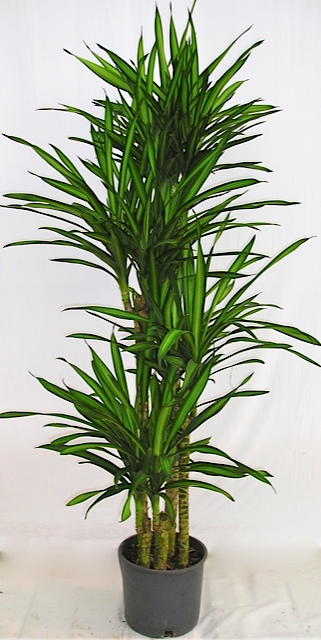
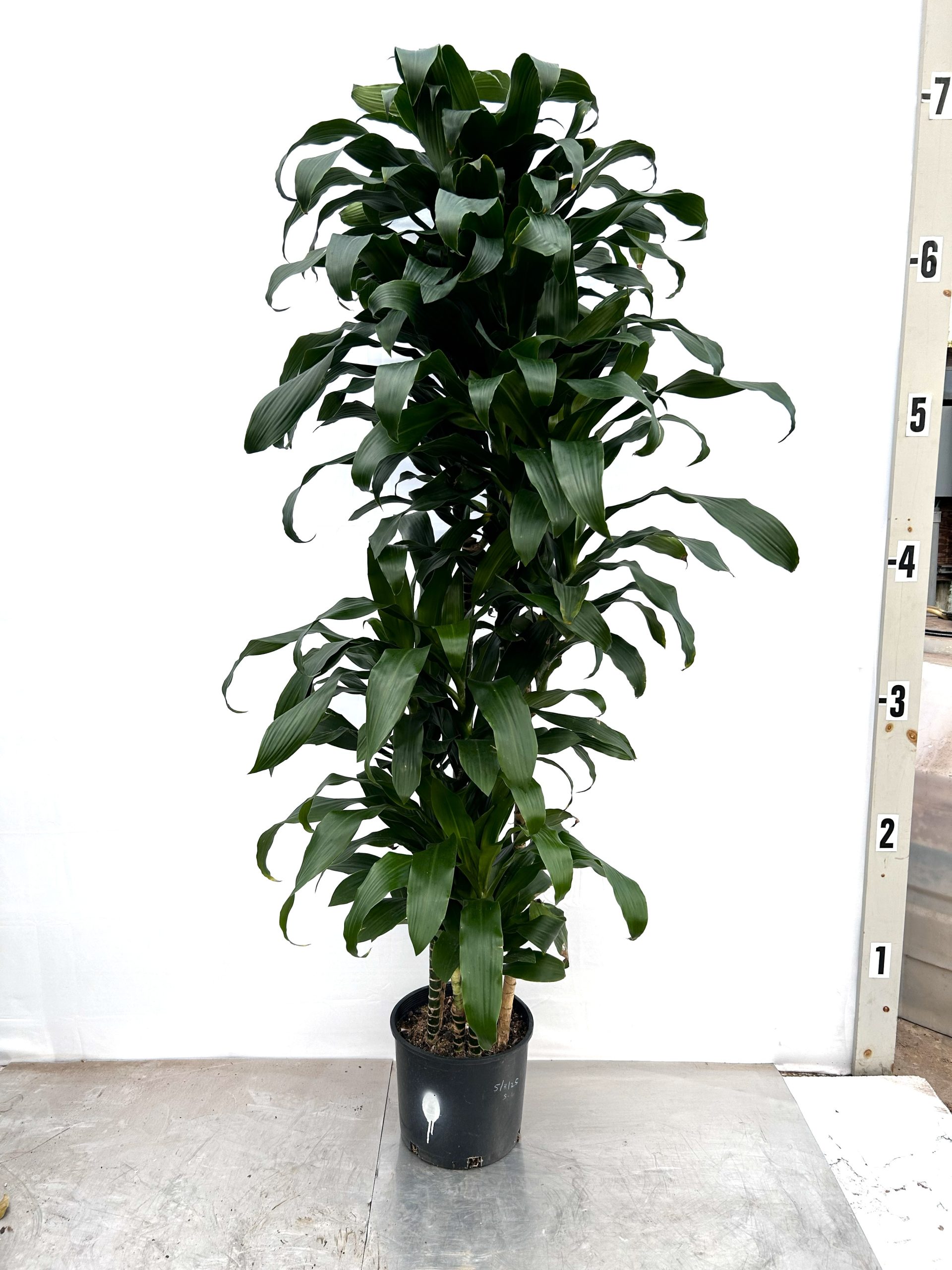
If there’s one plant that has truly stood the test of time in interior plantscaping, it’s the Dracaena Massangeana. Known for its bold yellow-striped foliage, architectural cane structure, and remarkably forgiving care requirements, this iconic plant continues to be a top choice for both commercial and residential interiors.

Often referred to as the Corn Plant or Mass Cane, Dracaena Massangeana delivers a lush, tropical aesthetic with long-term reliability—making it one of the most trusted foliage plants in the industry.

Downloadable Brochure

Why Designers and Plantscapers Love Dracaena Massangeana Iconic Yellow-Green Variegation with Broad Appeal

Dracaena Massangeana features wide, arching leaves with bold yellow-green stripes running through deep green centers. This striking variegation adds warmth, movement, and visual interest to any space. Its tropical look has made it a design staple for decades—and for good reason. Few plants offer this level of color contrast while remaining so easy to maintain.
Architectural Cane Structure with Soft, Lush Foliage
Growing from thick, woody canes, Massangeana provides strong vertical structure while maintaining a soft, lush appearance. Unlike some dracaena varieties with stiff or rigid leaves, its foliage arches outward gracefully, creating a fuller, more inviting footprint. This makes it especially versatile for environments ranging from corporate lobbies and healthcare facilities to cozy residential living rooms.
Slower Growth = Better Long-Term Performance

Compared to faster-stretching varieties like Hilo Girl, Dracaena Massangeana grows at a more controlled pace. This slower stretch translates into better long-term structure, fewer service calls, and a plant that actually improves with age rather than becoming leggy or unstable. For long-term installations, this is a major advantage.

Light Requirements: Medium to High Light for Best Color
Dracaena Massangeana performs best in medium to high light, where its signature yellow variegation remains bold and vibrant.

  • Medium to high light: Keeps foliage lush and variegation strong
  • Low light: Tolerated, but over time the yellow tones fade as the plant turns greener in an effort to survive

While adaptable, adequate light is key to maintaining the plant’s iconic look

Watering Needs: Forgiving and Drought-Tolerant
One of the reasons Massangeana is such a workhorse plant is its low water requirement. It prefers to dry out completely between waterings, and overwatering is the most common issue to avoid.

  • Allow soil to dry fully between waterings
  • Use well-draining soil
  • Drooping leaves or brown tips may indicate underwatering or fluoride sensitivity

This forgiving nature makes it ideal for busy environments where consistent watering schedules aren’t always guaranteed.

Superior Rooting & Easy Transplanting
Massangeana is known for excellent root development, making it easy to transplant and shift into larger containers. Strong rooting allows you to upsize pots and reduce how often the plant needs revisiting—an especially practical benefit for commercial installations.
Compared to some stock grown elsewhere, superior rooting helps the plant establish quickly, hold up over time, and perform better long-term.

Size Options & Cane Counts
Dracaena Massangeana is available in a range of mature sizes, making it adaptable for many spaces.

  • Height: 4.5 feet to 7 feet (can grow taller indoors with proper care)
  • Pot Sizes & Cane Counts:
    • 2-gallon: 3 canes
    • 3-gallon: 4 canes
    • 5-gallon: 5 canes

Common Names

  • Corn Plant
  • Mass Cane
  • Fragrant Dracaena

Perfect For
Dracaena Massangeana thrives in:

  • Offices and corporate environments
  • Hotel lobbies and reception areas
  • Healthcare facilities
  • Residential homes and apartments
  • Any space needing a classic, low-maintenance tropical plant

A True Workhorse of Interior Plantscaping
Dracaena Massangeana has earned its reputation through performance—not nostalgia. For generations, it has consistently delivered the look clients want with the reliability plantscapers depend on. Its forgiving care needs, strong structure, and slower growth habit make it ideal for long-term installations where you want to set it and mostly forget it.
It shares a similar care profile with Hilo Girl and Hawaii Girl, but Massangeana stands out for its durability, superior rooting, and ability to age gracefully without aggressive stretching.

Grower’s Tips for Best Results

  • Don’t overwater—let it dry out
  • Use a razor blade to gently trim burnt leaf tips
  • Apply leaf shine if extra gloss is desired
  • Wipe leaves with a damp cloth to remove dust
  • Shift to a larger pot to reduce maintenance visits

Plants That Pair Well with Dracaena Massangeana
For cohesive, low-maintenance groupings, pair Massangeana with:

  • Pothos
  • Snake Plant
  • ZZ Plant
  • Aglaonema
  • Philodendron

It also pairs beautifully with Hilo Girl and Hawaii Girl for unified dracaena displays.

Key Characteristics at a Glance

Attribute Profile
Light Mixed
Water Low
Pest Resistance Average
Growth Habit 7+ feet
Popularity Increasing

Final Thought

Dracaena Massangeana remains a cornerstone plant because it delivers timeless style, dependable performance, and exceptional versatility. Whether you’re designing a large commercial space or enhancing a residential interior, this classic Corn Plant continues to prove why it’s one of the most trusted foliage plants in the industry

Contact us today to get yours!

For availability or to place an order, contact:
West Coast Nurseries Group, Inc.
sales@westcoastnurseries.com
 

Dracaena Hawaii Girl

Dracaena Hawaii Girl: A Bold Vertical Statement for Modern Interior Spaces

Add depth, structure, and quiet drama to interior environments with Dracaena Hawaii Girl, a tropical foliage plant prized for its rich green leaves, satin-to-matte finish, and confident vertical presence. As interior design continues to lean toward darker palettes, cleaner lines, and intentional plant placement, Hawaii Girl has emerged as a go-to staple for commercial interiors, offices, hospitality projects, and elevated residential spaces.

With its upright habit and composed growth, this dracaena delivers height and visual weight without overwhelming a space—making it a reliable choice for designers, plantscapers, and buyers seeking impact with restraint.

Also known as: Michiko, Dracaena ‘Hawaii Girl’, Hawaii Girl Dracaena

Downloadable Brochure

Why Designers and Growers Love Dracaena Hawaii Girl?

Strong Vertical Presence with Natural Balance

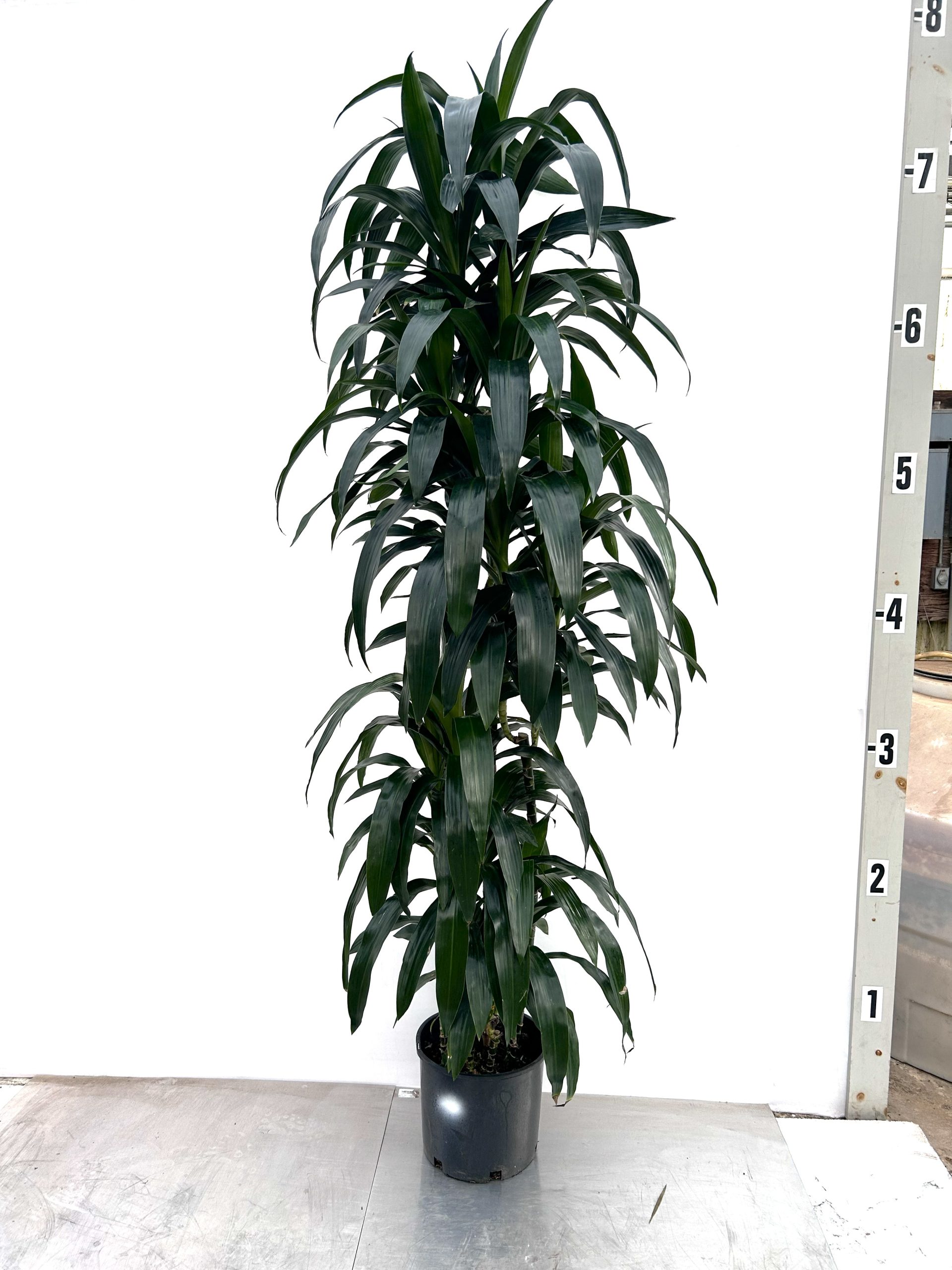
Dracaena Hawaii Girl grows tall and straight, forming sturdy cane structures topped with dense, layered foliage. Its silhouette feels deliberate rather than rigid, offering architectural height while maintaining an organic softness. The result is a plant that anchors a room visually without feeling overly formal or harsh.

Deep Green Leaves with a Refined Sheen

What sets Hawaii Girl apart is its saturated green foliage and subtle surface texture. In brighter light, the leaves take on a gentle satin gloss; in lower light, they lean closer to matte. Long, narrow leaves with a slight wave introduce movement that softens its vertical lines, creating a polished yet natural presence in interior spaces.

Visually Impressive Growth Rate

Compared to many dracaena varieties, Hawaii Girl puts on height relatively quickly. This fast growth makes it visually impactful early in its lifecycle—an advantage in commercial installations where immediate presence matters. With thoughtful placement and consistent care, its form can be maintained attractively over time.

Light Requirements and Interior Performance

Dracaena Hawaii Girl performs best in brighter interior environments and benefits from intentional light planning.

  • Bright, indirect light supports thicker canes and richer foliage color
  • Moderate light is acceptable but may encourage additional vertical stretch
  • Low or dim light leads to softer growth and a shorter interior lifespan

For best results, place Hawaii Girl where it can receive consistent, indirect brightness to preserve its structure and leaf quality.

Watering and Maintenance Made Simple

Hawaii Girl is forgiving and well-suited to commercial settings where watering schedules may fluctuate.

  • Prefers soil to dry between waterings
  • Handles dry cycles with ease
  • A muted or grey-green tone in the foliage signals it’s ready for water
  • Once rehydrated, the plant typically rebounds well, regaining color and sheen

Grower’s tip: Avoid overwatering. Allow soil to dry, and trim any burnt leaf tips cleanly with a sharp razor blade for a polished finish.

Container Stability and Long-Term Reliability

This variety is notably stable in containers and easy to manage over time. Frequent repotting is rarely necessary, and Hawaii Girl maintains good balance as it grows—an important factor for long-term interior installations.

Available Sizes and Cane Counts

We offer Dracaena Hawaii Girl in the following sizes:

  • Height range: 4.5 to 7 feet tall.
  • Potential height: Up to 9–10 feet under ideal conditions

Pot sizes and cane counts:

  • 2-gallon: 3 canes
  • 3-gallon: 4 canes
  • 5-gallon: 5 canes

Ideal Applications

Dracaena Hawaii Girl is perfectly suited for:

  • Office environments
  • Hospitality and hotel interiors
  • Commercial plantscaping projects
  • Contemporary residential designs

Anywhere height, depth of color, and a clean, vertical silhouette are key design drivers, Hawaii Girl delivers.

Design Pairings and Styling Suggestions

To highlight its upright form, pair Dracaena Hawaii Girl with lower-profile or trailing plants that soften its lines and add contrast. It works especially well alongside:

  • Aglaonema
  • Philodendron
  • Pothos
  • Compact dracaena varieties

These combinations create layered plant compositions that feel balanced, intentional, and visually dynamic.

Background and Interior Popularity

Dracaena Hawaii Girl rose in popularity as interior design shifted toward moodier palettes and more architectural plant choices. Its reliable structure, tolerance for interior conditions, and consistent performance made it a staple in commercial plantscaping—particularly in offices and hospitality spaces seeking a modern, polished aesthetic. Like most dracaenas, it’s generally resilient indoors. Spider mites can occasionally appear in very dry environments, but consistent light, good airflow, and routine inspections keep the plant performing at its best.

Key Characteristics at a Glance

Attribute Profile
Light Mixed
Water Low
Pest Resistance Average
Growth Habit 7+ feet
Popularity Stable

Contact us today to get yours!

For availability or to place an order, contact:
West Coast Nurseries Group, Inc.
sales@westcoastnurseries.com
Dracaena Hilo Girl

Dracaena Hilo Girl: A Dark, Modern Foliage Favorite for Interior Plantscaping

When designers and plantscapers are looking to add rich green color, modern structure, and strong vertical presence to an interior space, Dracaena Hilo Girl consistently rises to the top of the list. This highly sought-after tropical foliage plant is prized for its dark green, glossy leaves, clean upright growth, and high-end aesthetic that works beautifully in commercial and residential interiors alike.

At West Coast Nurseries, Hilo Girl is one of our most popular dracaena varieties—and for good reason. While it asks for a bit more light than some of its relatives, the payoff is a bold, architectural plant with undeniable visual impact.

Downloadable Brochure

Why Designers and Plantscapers Love Dracaena Hilo Girl?

Upright, Architectural Growth with a Soft, Modern Feel

Dracaena Hilo Girl grows in a clean, vertical form supported by a structured cane base and evenly spaced foliage. The result is a plant that feels intentional and modern, yet still soft and organic—perfect for design-forward interiors that want structure without harshness.

Dark Green, Glossy Foliage That Elevates Interiors

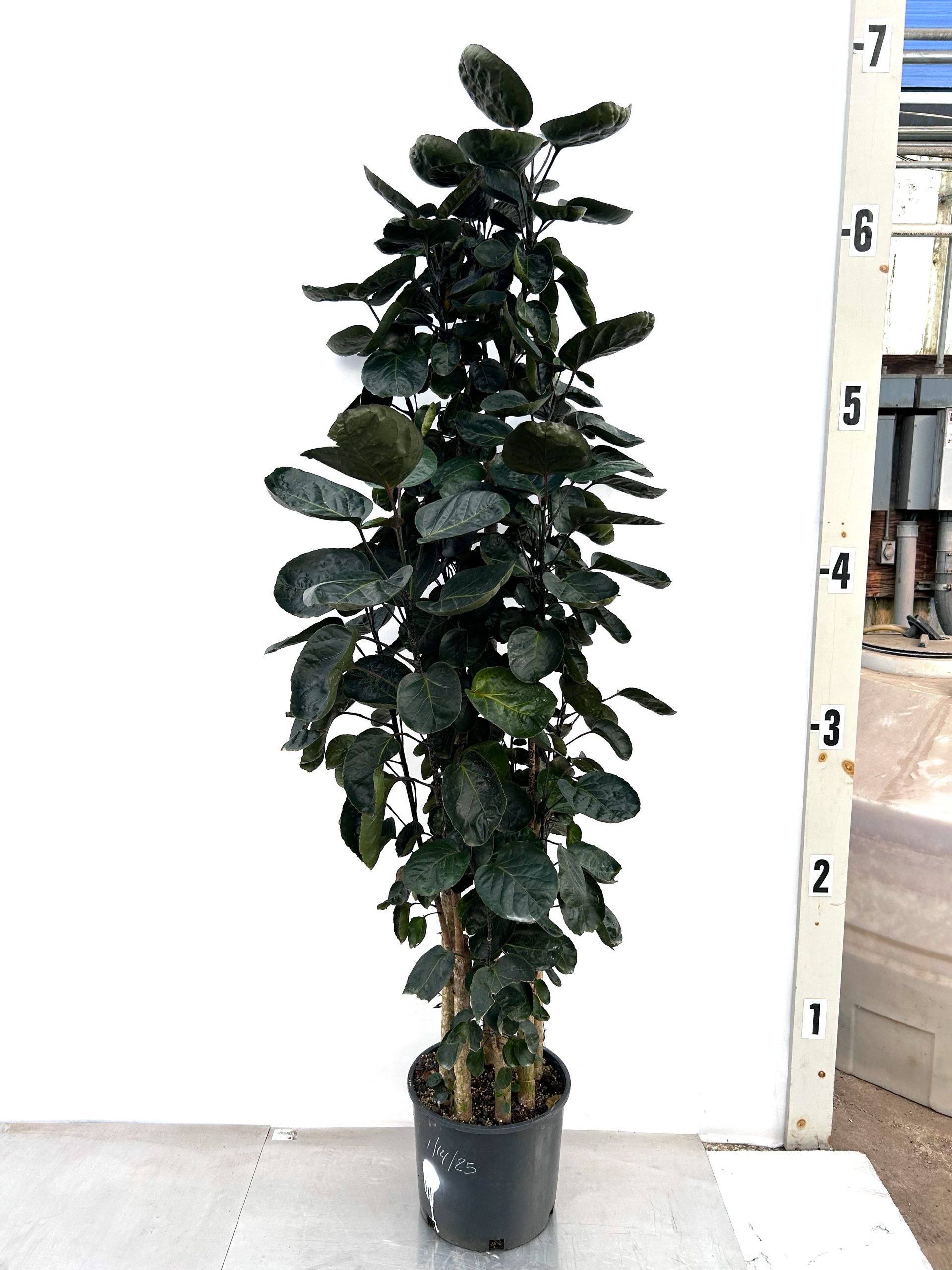
One of Hilo Girl’s most defining features is its deep green, slightly glossy leaves. This lush, refined foliage gives spaces a high-end, finished look that designers and clients consistently gravitate toward. Among dracaenas, Hilo Girl stands out as one of the most visually appealing options for interiors.

Fast Vertical Stretch (A Trade-Off Many Clients Accept)

Hilo Girl is known as a faster-stretching dracaena, meaning it gains height more quickly than some varieties. While this can shorten its structural lifespan on long-term jobsites, its popularity often outweighs the drawback. With proper light and routine maintenance, its longevity can be significantly extended.

Light Requirements: The Key to Long-Term Performance

Dracaena Hilo Girl loves light and performs best in brighter interior conditions—especially when compared to varieties like Dracaena Goldstar.

    • Higher light: Encourages sturdier stems, darker foliage, and longer jobsite performance.
    • Medium light: Tolerated, but promotes faster stretching.
    • Low light: Increases softness and elongation, shortening interior lifespan.

For best results, place Hilo Girl where it can receive consistent, bright indirect light.

Watering & Maintenance: Low Fuss, High Reward

Water Tolerant & Drought Forgiving

Hilo Girl is forgiving when it comes to watering. It prefers to dry out between waterings and tolerates lower water conditions well.

  • A slightly greyish cast on the leaves is an early visual cue that it’s time to water.
  • Once watered, leaf color and sheen typically rebound quickly.

Excellent Container & Repotting Performance

With a non-invasive root system, Hilo Girl behaves similarly to Goldstar during repotting. It remains stable in its container, does not require frequent pot upgrades, and performs well long-term in standard interior containers.

Sizes Available at West Coast Nurseries

We offer Dracaena Hilo Girl in a range of sizes ideal for interior installations:

  • Heights sold: 4.5 ft – 7 ft
  • Mature potential: Up to 9–10 ft with proper care

Pot sizes & cane counts:

  • 2-gallon: 3 canes
  • 3-gallon: 4 canes
  • 5-gallon: 5 canes

Ideal Uses & Applications

Dracaena Hilo Girl is perfect for:

  • Commercial interiors
  • Office environments
  • Hospitality projects
  • Residential spaces
  • Design-forward installations requiring dark, glossy foliage and strong vertical form

Its versatility makes it a staple in modern plantscaping palettes.

Additional Information for Plantscapers

  • Additional names: Dracaena ‘Hilo Girl’, Hilo Girl Dracaena, Lisa
  • Pest resistance: Comparable to Goldstar; spider mites are the primary concern in very dry conditions
  • Prevention tips: Regular inspection, adequate light, and good airflow

This variety is extremely popular throughout the plantscaping industry and continues to be one of our top-performing dracaenas at West Coast Nurseries.

Grower’s Tips for Best Results

  • Don’t overwater; allow soil to dry between waterings
  • Greyish leaf tone = definitely time to water
  • Use a razor blade to gently and precisely remove burnt leaf tips
  • Provide higher light than you would for Goldstar

Pairs Well With

Balance Hilo Girl’s upright form by pairing it with compact floor plants and trailing accents, such as:

  • Pothos
  • Aglaonema
  • Philodendron
  • Low-growing Dracaena varieties

These combinations highlight Hilo Girl’s dark foliage while creating layered, visually dynamic interiors.

Key Characteristics at a Glance

Attribute Profile
Light High
Water Low
Pest Resistance Average
Growth Habit 7+ feet
Popularity Most Popular

Contact us today to get yours!

For availability or to place an order, contact:
West Coast Nurseries Group, Inc.
sales@westcoastnurseries.com
 

Dracaena Goldstar

Dracaena Goldstar (Dracaena Rikki): Bold, Reliable Impact for Interior Spaces

Bring bright, attention-grabbing impact to interior environments with Dracaena Goldstar, also known as Dracaena Rikki. This resilient, design-forward dracaena is prized for its bold starburst variegation, upright cane form, and exceptional reliability. With a clean silhouette and high visual contrast, Goldstar delivers standout presence while remaining one of the easiest low-maintenance interior plants available.

Ideal for modern commercial and residential settings, Dracaena Goldstar combines architectural structure with long-term performance—making it a favorite among designers, facility managers, and interior scape professionals.

Downloadable Brochure

Why You’ll Love Dracaena Goldstar?

Upright Cane Form with Clean, Architectural Lines

Dracaena Goldstar grows on sturdy, upright canes topped with symmetrical rosettes of arching leaves. Its naturally vertical habit creates a strong yet uncluttered profile that works beautifully in contemporary interiors, corridors, lobbies, and open-plan spaces. The form feels intentional and polished without appearing rigid.

Striking Starburst Variegation

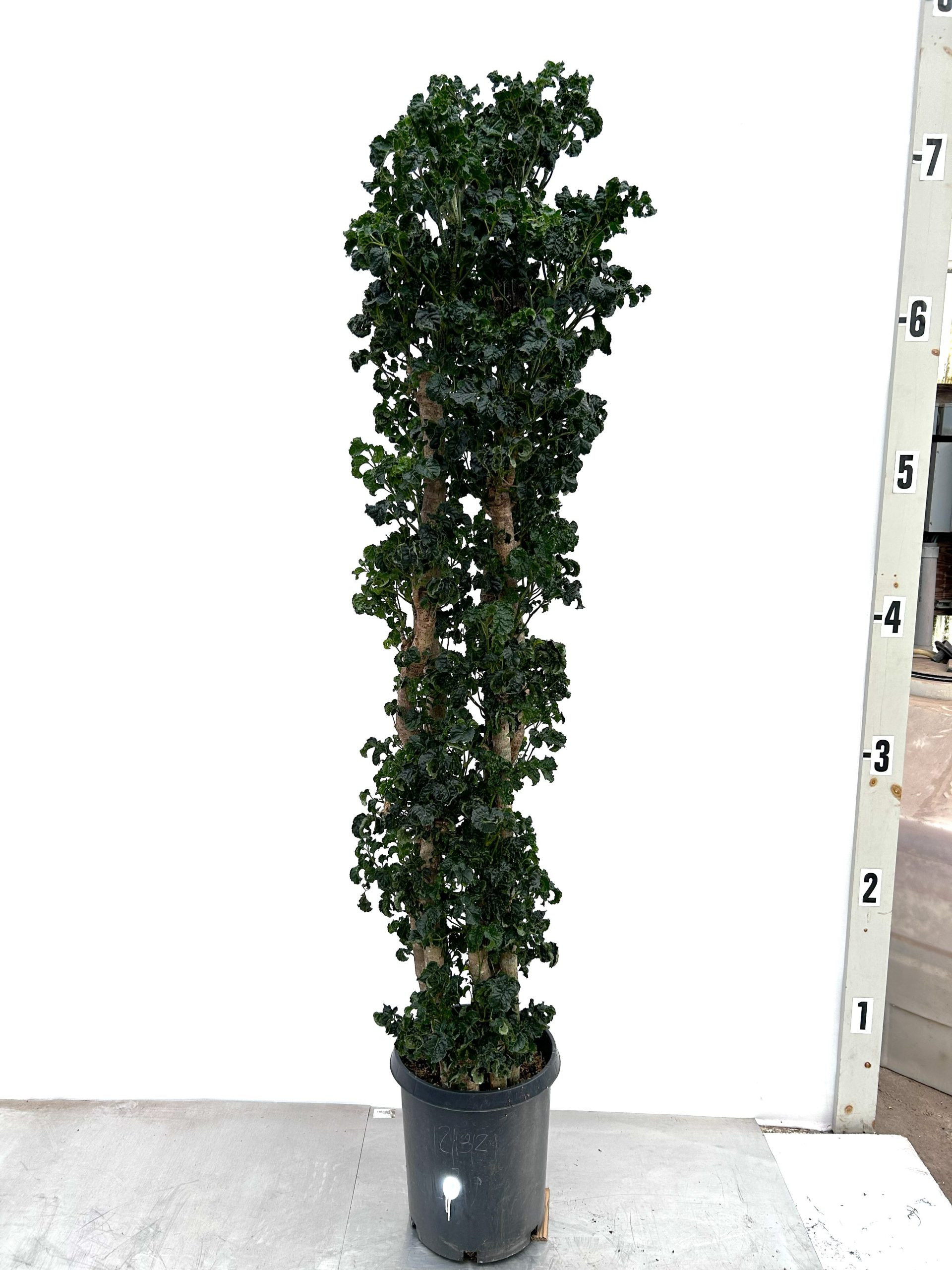
Goldstar is known for its vivid foliage—deep green leaves accented by a bright yellow to chartreuse center stripe that radiates outward like a star. This bold contrast adds light and energy to interiors that need visual lift without added clutter.

    • Higher light keeps variegation sharp and well-defined
    • Lower light softens contrast while maintaining overall health

Balanced Growth with Excellent Stability

Compared to softer dracaena varieties, Goldstar holds its shape exceptionally well. Canes remain upright and balanced, making it ideal for long-term installations. When height management is needed, plants respond cleanly to cutting back, producing fresh growth directly from the cane.

Light-Responsive Performance & Longevity

Dracaena Goldstar adapts to a wide range of interior light levels, though structure and color improve with brighter conditions:

    • Bright indirect light: Stronger canes, tighter rosettes, vivid variegation
    • Medium light: Slightly slower growth, still stable and attractive
    • Low light: Tolerated, with slower growth and softened color contrast

Low Water Needs & Forgiving Care

Like most dracaenas, Goldstar prefers to dry down between waterings. Allow the top portion of soil to dry before watering again. Overwatering is the most common issue, but its tough leaves and cane structure help it tolerate occasional missed waterings with ease—making it a dependable choice for busy environments.

Excellent Container Performance

Dracaena Goldstar has a compact, non-invasive root system and performs exceptionally well in containers. It does not require frequent repotting and can remain visually consistent for years in the same pot—ideal for commercial interiors and maintenance programs.

Size & Wholesale Availability

Typical indoor height: 4–7 feet

We offer multiple pot sizes and cane counts to suit a variety of applications:

    • 2-gallon: 3 canes
    • 3-gallon: 4 canes
    • 5-gallon: 5 canes

Additional names:

Dracaena Rikki • Dracaena fragrans ‘Gold Star’ • Goldstar Dracaena • Striped Dracaena

Perfect For


Modern offices, healthcare environments, hospitality spaces, residential interiors, lobbies, conference rooms, and long corridors—anywhere a bright, upright plant with minimal maintenance is needed.

Additional Care & Performance Notes

Dracaena Goldstar is valued for its durability and consistency in interior environments. It tolerates dry air better than many tropical plants. Primary pest concerns include spider mites and mealybugs, particularly in very dry conditions. Regular inspection and occasional leaf cleaning help prevent issues and keep foliage looking sharp.

Grower’s Tips

    • Let soil dry between waterings
    • Brighter light = stronger canes and better color
    • Very forgiving if watering is occasionally missed
    • Does not require frequent repotting
    • Can be cut back to control height or refresh form

Pairs Well With

Goldstar’s upright form and bold striping pair beautifully with broader-leaf plants such as Aglaonema, Philodendron, and Dieffenbachia, as well as lower growers like Pothos or Spider Plants, which help soften the base and highlight its architectural shape.

  •  

Key Characteristics at a Glance

Attribute Profile
Light Low
Water Low
Pest Resistance Average
Growth Habit 4-7 feet
Popularity Popular

Contact us today to get yours!

For availability or to place an order, contact:
West Coast Nurseries Group, Inc.
sales@westcoastnurseries.com
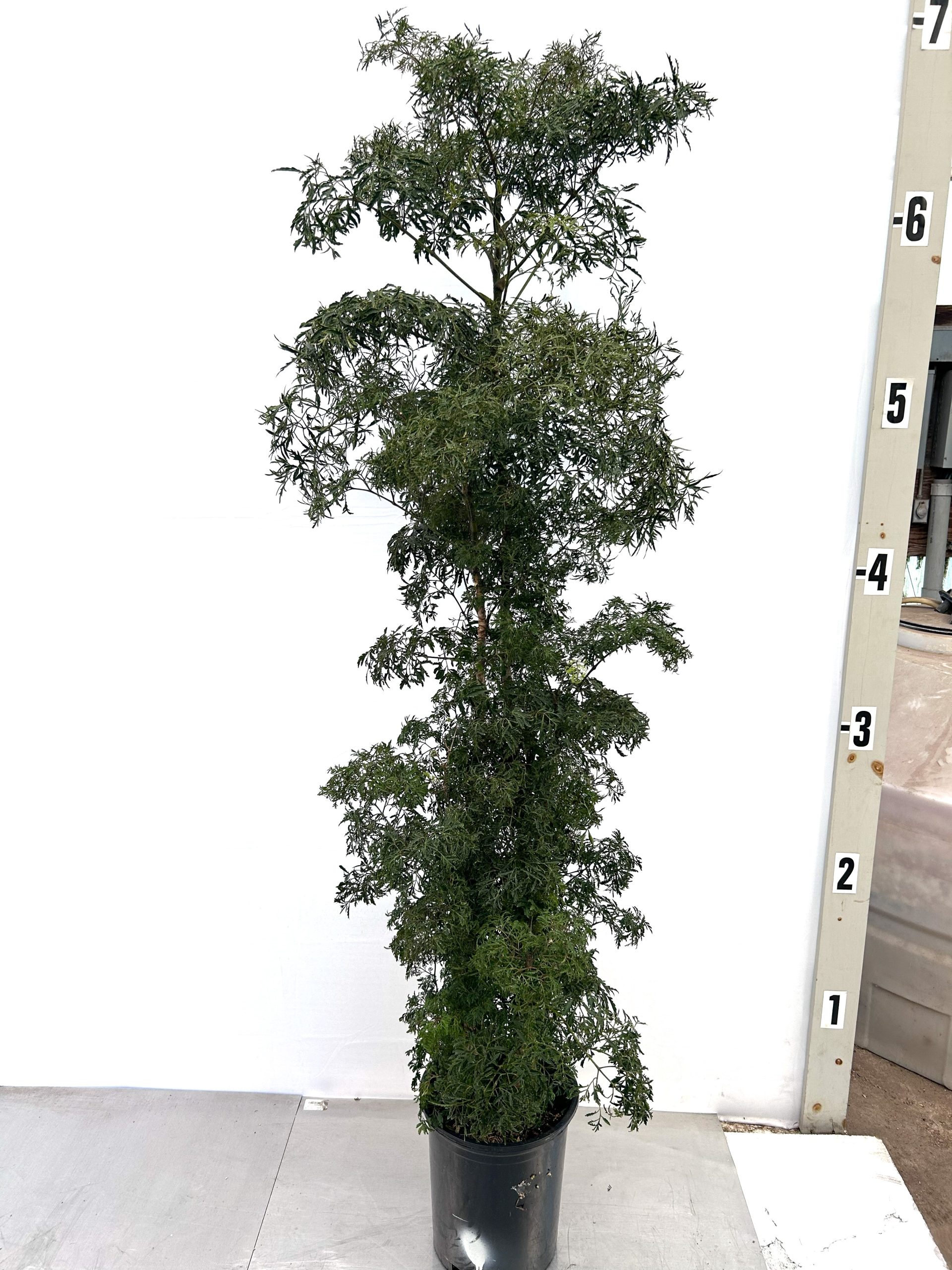
 

Aralia Fabian

Aralia Fabian: A Bold, Architectural Tropical Plant for Modern Interiors

If you are looking to bring sculptural elegance and tropical richness into an interior space, Aralia Fabian (Polyscias scutellaria ‘Fabian’) is a standout choice. Prized for its upright form, large glossy leaves, and deep, moody coloration, this modern tropical plant delivers strong architectural impact while still feeling warm and organic—an ideal balance for contemporary homes and commercial interiors.

More lush and tropical than many other aralias, Fabian creates a confident presence without overwhelming a space, making it a favorite for designers, plant stylists, and facility managers alike.

Downloadable Brochure

Why You’ll Love the Aralia Fabian?

Upright, Architectural Form with a Lush Tropical Feel

Aralia Fabian grows upright with multiple canes that support a structured yet full canopy. Unlike finer-textured aralias, Fabian feels distinctly tropical thanks to its oversized, rounded leaves and dense foliage. The result is a plant that reads clean and modern while still adding depth, warmth, and visual richness.

Large, Glossy Leaves with Deep, Dramatic Color

One of Fabian’s most striking features is its thick, leathery foliage. Leaves emerge glossy and bold, ranging from deep green to dark burgundy, giving the plant a refined, high-end appearance.

    • In bright, indirect light, color stays darker and richer
    • In medium to lower light, foliage tends to shift greener and stems become softer

Light plays a major role in how finished and robust the plant appears.

Top-Heavy Growth (Easy to Manage)

Because Fabian produces large leaves, it can become top heavy if grown in insufficient light. The good news? It responds very well to pruning. If drooping begins, simply cut the plant back to restore balance and encourage sturdier, more upright regrowth.

Light Requirements: The Key to Strength & Longevity

Light level directly impacts the structure and lifespan of Aralia Fabian.

    • High light (bright, indirect):
      Produces firmer, woodier stems and a more upright, stable plant
    • Medium light:
      Encourages faster stretching, which may lead to bending over time
    • Low light:
      Results in softer, greener stems and elongated growth

For best long-term performance and appearance, we recommend keeping Fabian in bright, indirect light whenever possible.

Watering & Maintenance

Low-Maintenance Watering

Aralia Fabian prefers to dry slightly between waterings. Allow the soil to dry to the touch before watering again—overwatering is the most common issue. Thanks to its thicker leaves, Fabian tolerates the occasional missed watering, making it an excellent choice for both residential and commercial interiors.

Excellent Container Performance

With a non-invasive root system, Fabian is happy staying in its pot for extended periods. It does not require frequent repotting and can remain healthy and stable in the same container for years.

Size & Availability

Typical indoor height: 4–8 feet

Pot sizes and cane counts:

    • 2-gallon: 4 canes
    • 3-gallon: 5 canes
    • 5-gallon: 6 canes
    • 7-gallon: 7 canes

Additional names:

Fabian Aralia, Shield Aralia, Polyscias scutellaria ‘Fabian’

Ideal Uses & Design Applications
Aralia Fabian is perfect for:

    • Modern offices
    • Hospitality spaces
    • Residential living areas
    • Lobbies and corridors
    • Design-forward commercial projects

Anywhere you need a bold, upright plant with tropical character and architectural clarity, Fabian delivers.

Additional Growing Information

With increased light exposure, Aralia Fabian develops stronger, woodier stems, similar to the difference between outdoor-grown wood and softer greenhouse growth. In very bright conditions, stems harden and hold their form better, while low light keeps growth more flexible.

    • Primary pest concern: Spider mites, especially in dry environments
    • Prevention: Regular inspection, good air circulation, and proper humidity

Grower’s Tips

    • Let soil dry to the touch before watering
    • High light = stronger stems and less drooping
    • Does not need repotting; happy where it is
    • If repotting is desired, wait at least one year
    • Can be pruned back if it becomes top heavy

Design Pairings

Aralia Fabian pairs beautifully with lower, softer plants that highlight its bold structure, such as:

    • Pothos
    • Aglaonema
    • Philodendron
    • Compact Dracaenas

These combinations create contrast in texture and form while maintaining a cohesive, modern look.

Key Characteristics at a Glance

Attribute Profile
Light High
Water Medium
Pest Resistance Average
Growth Habit 4-7 feet
Popularity Stable

Looking for a dramatic, modern tropical plant that performs beautifully indoors?
Aralia Fabian offers bold foliage, architectural form, and dependable performance—making it a smart, stylish choice for interiors that demand impact without high maintenance.

Contact us today to get yours!

For availability or to place an order, contact:
West Coast Nurseries Group, Inc.
sales@westcoastnurseries.com


Black Aralia

Black Aralia (Polyscias guilfoylei): A Bold, Architectural Statement Plant for Modern & Asian-Inspired Landscapes

If you’re looking for a plant that delivers dramatic structure, rich dark foliage, and refined tropical elegance, Black Aralia (Polyscias guilfoylei) is an exceptional choice. Sometimes referred to as the Wild Coffee Plant, this striking member of the Polyscias species brings a bold, architectural presence to landscapes, patios, and interior spaces—without the fuss of more finicky tropicals.

Our wholesale nursery grows Black Aralia for designers, landscapers, and retailers who want a distinctive, high-impact plant that isn’t overused yet performs beautifully in both containers and the ground.

Downloadable Brochure

Why Designers & Growers Love Black Aralia?

Distinctive Dark Foliage

Black Aralia is prized for its deep, nearly black-green, crinkled leaves that create instant texture and contrast. The foliage holds its color exceptionally well, making it an ideal companion to lighter greens, silvers, or colorful underplantings. Few plants offer this level of sophistication and drama in a single vertical form.

Elegant, Upright Growth Habit

Naturally vertical and tidy, Black Aralia adds structure without overpowering nearby plants. It works beautifully as a standalone accent or when repeated throughout a space to create rhythm and cohesion in modern or Asian-inspired designs.

More Forgiving Than Ming Aralia

Often compared to Ming Aralia for its similar look, Black Aralia is noticeably more tolerant. It handles transplant shock better and adapts more easily when moving from containers into the landscape—making it a favorite for designers who want the Ming Aralia aesthetic with fewer headaches.

Light-Loving & Adaptable

This plant thrives in high light and can even handle direct sun, yet it remains tolerant of medium light conditions. That flexibility allows it to perform well in a wide range of placements, from bright interiors to outdoor landscapes.

Low Water Needs

Black Aralia prefers to dry out between waterings and does not like consistently wet soil. This makes it an excellent choice for clients seeking a refined, tropical look without high water demands.

Container & Landscape Versatility

Black Aralia is equally at home in:

    • Decorative containers
    • Mixed tropical plantings
    • Asian-inspired or modern landscapes
    • Rock gardens
    • Patios, entryways, and interiors

Use it as a single statement plant or repeat it throughout a design for a polished, cohesive look. It pairs beautifully with low-growing plants such as pothos or philodendron for a layered tropical display.

Size & Growth Information

    • Size at Purchase: 4–7 ft
    • Mature Height: Up to ~12 ft over time
    • Growth Rate: Our 7-gallon plants reach approximately 10 ft in about 1.5 years
    • Presentation: We plant multiple plants per pot for an instantly full, lush appearance—ideal for immediate impact in retail or design installations.

Sizes We Offer (Wholesale):

    • 2-gallon: 4 plants per pot
    • 3-gallon: 5 plants per pot
    • 5-gallon: 6 plants per pot
    • 7-gallon: 7 plants per pot

Perfect For

Black Aralia is an excellent choice for:

    • Asian-inspired gardens
    • Modern and contemporary landscapes
    • Rock gardens
    • Patios and entryways
    • Interior spaces needing a strong architectural accent

It’s also ideal for designers and retailers looking for a less common, high-impact tropical plant that stands apart from overused staples.

Additional Information

Black Aralia is a tropical evergreen shrub native to regions of Asia and the Pacific. Its upright habit and textured foliage naturally lend themselves to serene, structured landscapes. Unlike many tropical ornamentals, it tolerates long-term container growth and transitions well into the ground when planted.

We especially love that Black Aralia offers excellent durability, visual impact, and rarity—a combination that makes it a standout choice for professional projects.

Grower’s Tips from Our Nursery

    • This plant can be left in its pot longer than most; upsizing containers reduces watering frequency
    • Water thoroughly, allow excess water to drain, and do not water again until soil is dry to the touch
    • Avoid consistently wet soil
    • Use neem oil as a preventative spray to add leaf shine and provide light pest protection

Pairs Well With

Low-growing plants that contrast in color or texture. Lighter greens, silvers, or colorful foliage beneath Black Aralia help highlight its dark leaves. It’s especially effective in Asian-style and modern rock gardens.

Key Characteristics at a Glance

Attribute Profile
Light High
Water Low
Pest Resistance Average
Growth Habit 7+ feet
Popularity Stable

Looking to Add Black Aralia to Your Next Project?

Our Black Aralias (Polyscias guilfoylei) are available in multiple sizes, grown full and lush for immediate visual impact. Whether you’re sourcing for large-scale landscapes, retail inventory, or high-end container designs, this plant delivers bold style with dependable performance.

Contact us today to get yours!

For availability or to place an order, contact:
West Coast Nurseries Group, Inc.
sales@westcoastnurseries.com


Ming Aralia

Ming Aralia (Polyscias fruticosa): A Sculptural Indoor Plant for Elegant, Modern Spaces

Bring effortless sculptural elegance to your interior with Polyscias fruticosa, commonly known as the Ming Aralia. This refined tropical houseplant is prized for its delicate, lacy foliage and upright architectural form, making it a favorite among interior designers, retailers, and plant enthusiasts seeking a statement plant with understated sophistication.

Whether placed in an entryway, hallway, or modern living space, the Ming Aralia instantly elevates interiors with serene, botanical beauty.

Downloadable Brochure

Why You’ll Love the Ming Aralia?

Upright, Architectural Presence

The Ming Aralia grows strongly upright, making it ideal for tight spaces, corners, hallways, and entry areas with good light. Its finely divided, feathery leaves grow along the entire length of each stem, forming a full, cloud-like silhouette that adds vertical interest without overwhelming the room.

Distinctive, Full-Foliaged Texture

We offer multi-stem specimens only—never single stems. Multiple trunks grow together to create a sculptural, bonsai-like form with dense foliage and refined branching. This unique texture and structure give the Ming Aralia a design-forward look highly valued by retailers and interior stylists.

Excellent Indoor Adaptability

Ming Aralia thrives in bright, indirect to high light and can tolerate medium light conditions. Avoid low-light areas. Its vertical growth habit conserves floor space, making it perfect for modern, minimalist interiors where clean lines and height are key

Year-Round Style with Minimal Pruning

A slow-to-moderate grower, the Ming Aralia naturally maintains its shape. Occasional trimming of leggy or thinning stems encourages denser branching and keeps the plant looking polished year-round.

Low Water Needs

Unlike many tropical plants, Ming Aralia prefers less water. Allow the soil to dry out between waterings. Constant moisture can lead to root problems. It performs well in self-watering or sub-irrigated systems, provided the reservoir is not kept full.

Acclimates Slowly (Handle With Care)

This plant is known for its delicate nature. It does not like shock and may drop leaves if disturbed. Avoid repotting immediately after purchase, and limit frequent moving. Given time to acclimate, it typically rebounds and thrives.

Versatile Styling Options

Often styled as a standalone statement plant, Ming Aralia fits beautifully where other plants cannot—corners, near doorways (with sufficient light), hall ends, and architectural niches.

Available Sizes & Stem Counts
We offer full, multi-stem Ming Aralia plants in a range of sizes. Indoors, plants typically mature around 8–9 feet tall.

    • 2-gallon: 4 stems.
    • 3-gallon: 5 stems.
    • 5-gallon: 6 stems (pictured).
    • 7-gallon: 7 stems.

Height range at purchase: 4–8 feet

Additional Names

    • Polyscias fruticosa
    • Ming Aralia

Perfect For

    • Design-forward interiors
    • Retailers seeking distinctive statement plants
    • Residential corners, entryways, and hallways
    • Spaces requiring vertical greenery with sculptural appeal

While not the most common houseplant due to its sensitivity, those who choose the Ming Aralia love it for its unique elegance and refined structure.

About the Ming Aralia

Native to Southeast Asia and the Pacific Islands, Ming Aralia is a finely textured, woody tropical shrub that naturally grows beneath bright forest canopies. This explains its preference for high filtered light and lower water compared to many tropical houseplants.

Its foliage grows along the entire length of its upright stems, creating a form that feels both airy and substantial—a rare combination that makes it visually striking indoors.

Because it is sensitive to environmental changes, allow the plant to fully acclimate before repotting or relocating. Stress from overwatering, cold drafts, or sudden movement may cause leaf drop, but the plant typically recovers once conditions stabilize.

Grower’s Care Tips

    • Let the plant fully acclimate before repotting
    • Water sparingly; allow soil to dry between waterings
    • Avoid sudden changes in light, temperature, or placement
    • Keep warm and provide bright, indirect light for best foliage density.

Pairing Suggestions
Ming Aralia should always be planted alone in its own pot, but it pairs beautifully when placed near:

    • Black Aralia.
    • Fabian Aralia.

These varieties offer complementary structure and create a cohesive, elevated plant display when grouped nearby (but not sharing soil).

Key Characteristics at a Glance

Attribute Profile
Light High
Water Low
Pest Resistance Average
Growth Habit Upright, 4–7 ft
Popularity Stable

For availability or to place an order, contact:
West Coast Nurseries Group, Inc.
sales@westcoastnurseries.com