Category Archives: Uncategorized

Dracaena Goldstar

Dracaena Goldstar (Dracaena Rikki): Bold, Reliable Impact for Interior Spaces

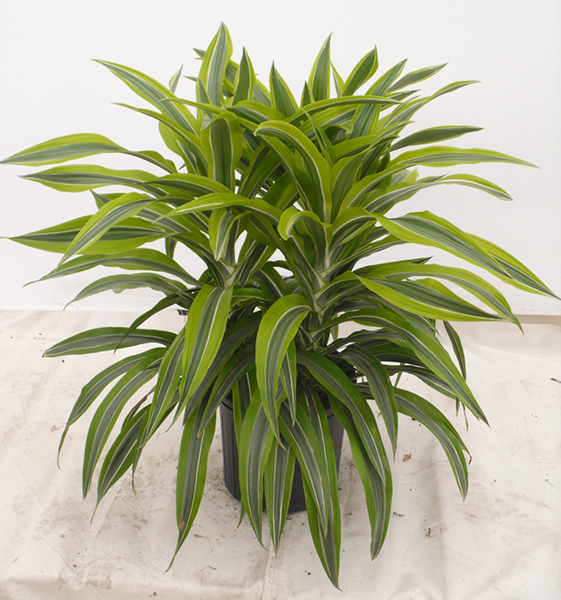
Bring bright, attention-grabbing impact to interior environments with Dracaena Goldstar, also known as Dracaena Rikki. This resilient, design-forward dracaena is prized for its bold starburst variegation, upright cane form, and exceptional reliability. With a clean silhouette and high visual contrast, Goldstar delivers standout presence while remaining one of the easiest low-maintenance interior plants available.

Ideal for modern commercial and residential settings, Dracaena Goldstar combines architectural structure with long-term performance—making it a favorite among designers, facility managers, and interior scape professionals.

Downloadable Brochure

Why You’ll Love Dracaena Goldstar?

Upright Cane Form with Clean, Architectural Lines

Dracaena Goldstar grows on sturdy, upright canes topped with symmetrical rosettes of arching leaves. Its naturally vertical habit creates a strong yet uncluttered profile that works beautifully in contemporary interiors, corridors, lobbies, and open-plan spaces. The form feels intentional and polished without appearing rigid.

Striking Starburst Variegation

Goldstar is known for its vivid foliage—deep green leaves accented by a bright yellow to chartreuse center stripe that radiates outward like a star. This bold contrast adds light and energy to interiors that need visual lift without added clutter.

    • Higher light keeps variegation sharp and well-defined
    • Lower light softens contrast while maintaining overall health

Balanced Growth with Excellent Stability

Compared to softer dracaena varieties, Goldstar holds its shape exceptionally well. Canes remain upright and balanced, making it ideal for long-term installations. When height management is needed, plants respond cleanly to cutting back, producing fresh growth directly from the cane.

Light-Responsive Performance & Longevity

Dracaena Goldstar adapts to a wide range of interior light levels, though structure and color improve with brighter conditions:

    • Bright indirect light: Stronger canes, tighter rosettes, vivid variegation
    • Medium light: Slightly slower growth, still stable and attractive
    • Low light: Tolerated, with slower growth and softened color contrast

Low Water Needs & Forgiving Care

Like most dracaenas, Goldstar prefers to dry down between waterings. Allow the top portion of soil to dry before watering again. Overwatering is the most common issue, but its tough leaves and cane structure help it tolerate occasional missed waterings with ease—making it a dependable choice for busy environments.

Excellent Container Performance

Dracaena Goldstar has a compact, non-invasive root system and performs exceptionally well in containers. It does not require frequent repotting and can remain visually consistent for years in the same pot—ideal for commercial interiors and maintenance programs.

Size & Wholesale Availability

Typical indoor height: 4–7 feet

We offer multiple pot sizes and cane counts to suit a variety of applications:

    • 2-gallon: 3 canes
    • 3-gallon: 4 canes
    • 5-gallon: 5 canes

Additional names:

Dracaena Rikki • Dracaena fragrans ‘Gold Star’ • Goldstar Dracaena • Striped Dracaena

Perfect For


Modern offices, healthcare environments, hospitality spaces, residential interiors, lobbies, conference rooms, and long corridors—anywhere a bright, upright plant with minimal maintenance is needed.

Additional Care & Performance Notes

Dracaena Goldstar is valued for its durability and consistency in interior environments. It tolerates dry air better than many tropical plants. Primary pest concerns include spider mites and mealybugs, particularly in very dry conditions. Regular inspection and occasional leaf cleaning help prevent issues and keep foliage looking sharp.

Grower’s Tips

    • Let soil dry between waterings
    • Brighter light = stronger canes and better color
    • Very forgiving if watering is occasionally missed
    • Does not require frequent repotting
    • Can be cut back to control height or refresh form

Pairs Well With

Goldstar’s upright form and bold striping pair beautifully with broader-leaf plants such as Aglaonema, Philodendron, and Dieffenbachia, as well as lower growers like Pothos or Spider Plants, which help soften the base and highlight its architectural shape.

  •  

Key Characteristics at a Glance

Attribute Profile
Light Low
Water Low
Pest Resistance Average
Growth Habit 4-7 feet
Popularity Popular

Contact us today to get yours!

For availability or to place an order, contact:
West Coast Nurseries Group, Inc.
sales@westcoastnurseries.com
 

Aralia Fabian

Aralia Fabian: A Bold, Architectural Tropical Plant for Modern Interiors

If you are looking to bring sculptural elegance and tropical richness into an interior space, Aralia Fabian (Polyscias scutellaria ‘Fabian’) is a standout choice. Prized for its upright form, large glossy leaves, and deep, moody coloration, this modern tropical plant delivers strong architectural impact while still feeling warm and organic—an ideal balance for contemporary homes and commercial interiors.

More lush and tropical than many other aralias, Fabian creates a confident presence without overwhelming a space, making it a favorite for designers, plant stylists, and facility managers alike.

Downloadable Brochure

Why You’ll Love the Aralia Fabian?

Upright, Architectural Form with a Lush Tropical Feel

Aralia Fabian grows upright with multiple canes that support a structured yet full canopy. Unlike finer-textured aralias, Fabian feels distinctly tropical thanks to its oversized, rounded leaves and dense foliage. The result is a plant that reads clean and modern while still adding depth, warmth, and visual richness.

Large, Glossy Leaves with Deep, Dramatic Color

One of Fabian’s most striking features is its thick, leathery foliage. Leaves emerge glossy and bold, ranging from deep green to dark burgundy, giving the plant a refined, high-end appearance.

    • In bright, indirect light, color stays darker and richer
    • In medium to lower light, foliage tends to shift greener and stems become softer

Light plays a major role in how finished and robust the plant appears.

Top-Heavy Growth (Easy to Manage)

Because Fabian produces large leaves, it can become top heavy if grown in insufficient light. The good news? It responds very well to pruning. If drooping begins, simply cut the plant back to restore balance and encourage sturdier, more upright regrowth.

Light Requirements: The Key to Strength & Longevity

Light level directly impacts the structure and lifespan of Aralia Fabian.

    • High light (bright, indirect):
      Produces firmer, woodier stems and a more upright, stable plant
    • Medium light:
      Encourages faster stretching, which may lead to bending over time
    • Low light:
      Results in softer, greener stems and elongated growth

For best long-term performance and appearance, we recommend keeping Fabian in bright, indirect light whenever possible.

Watering & Maintenance

Low-Maintenance Watering

Aralia Fabian prefers to dry slightly between waterings. Allow the soil to dry to the touch before watering again—overwatering is the most common issue. Thanks to its thicker leaves, Fabian tolerates the occasional missed watering, making it an excellent choice for both residential and commercial interiors.

Excellent Container Performance

With a non-invasive root system, Fabian is happy staying in its pot for extended periods. It does not require frequent repotting and can remain healthy and stable in the same container for years.

Size & Availability

Typical indoor height: 4–8 feet

Pot sizes and cane counts:

    • 2-gallon: 4 canes
    • 3-gallon: 5 canes
    • 5-gallon: 6 canes
    • 7-gallon: 7 canes

Additional names:

Fabian Aralia, Shield Aralia, Polyscias scutellaria ‘Fabian’

Ideal Uses & Design Applications
Aralia Fabian is perfect for:

    • Modern offices
    • Hospitality spaces
    • Residential living areas
    • Lobbies and corridors
    • Design-forward commercial projects

Anywhere you need a bold, upright plant with tropical character and architectural clarity, Fabian delivers.

Additional Growing Information

With increased light exposure, Aralia Fabian develops stronger, woodier stems, similar to the difference between outdoor-grown wood and softer greenhouse growth. In very bright conditions, stems harden and hold their form better, while low light keeps growth more flexible.

    • Primary pest concern: Spider mites, especially in dry environments
    • Prevention: Regular inspection, good air circulation, and proper humidity

Grower’s Tips

    • Let soil dry to the touch before watering
    • High light = stronger stems and less drooping
    • Does not need repotting; happy where it is
    • If repotting is desired, wait at least one year
    • Can be pruned back if it becomes top heavy

Design Pairings

Aralia Fabian pairs beautifully with lower, softer plants that highlight its bold structure, such as:

    • Pothos
    • Aglaonema
    • Philodendron
    • Compact Dracaenas

These combinations create contrast in texture and form while maintaining a cohesive, modern look.

Key Characteristics at a Glance

Attribute Profile
Light High
Water Medium
Pest Resistance Average
Growth Habit 4-7 feet
Popularity Stable

Looking for a dramatic, modern tropical plant that performs beautifully indoors?
Aralia Fabian offers bold foliage, architectural form, and dependable performance—making it a smart, stylish choice for interiors that demand impact without high maintenance.

Contact us today to get yours!

For availability or to place an order, contact:
West Coast Nurseries Group, Inc.
sales@westcoastnurseries.com
 

Black Aralia

Black Aralia (Polyscias guilfoylei): A Bold, Architectural Statement Plant for Modern & Asian-Inspired Landscapes

If you’re looking for a plant that delivers dramatic structure, rich dark foliage, and refined tropical elegance, Black Aralia (Polyscias guilfoylei) is an exceptional choice. Sometimes referred to as the Wild Coffee Plant, this striking member of the Polyscias species brings a bold, architectural presence to landscapes, patios, and interior spaces—without the fuss of more finicky tropicals.

Our wholesale nursery grows Black Aralia for designers, landscapers, and retailers who want a distinctive, high-impact plant that isn’t overused yet performs beautifully in both containers and the ground.

Downloadable Brochure

Why Designers & Growers Love Black Aralia?

Distinctive Dark Foliage

Black Aralia is prized for its deep, nearly black-green, crinkled leaves that create instant texture and contrast. The foliage holds its color exceptionally well, making it an ideal companion to lighter greens, silvers, or colorful underplantings. Few plants offer this level of sophistication and drama in a single vertical form.

Elegant, Upright Growth Habit

Naturally vertical and tidy, Black Aralia adds structure without overpowering nearby plants. It works beautifully as a standalone accent or when repeated throughout a space to create rhythm and cohesion in modern or Asian-inspired designs.

More Forgiving Than Ming Aralia

Often compared to Ming Aralia for its similar look, Black Aralia is noticeably more tolerant. It handles transplant shock better and adapts more easily when moving from containers into the landscape—making it a favorite for designers who want the Ming Aralia aesthetic with fewer headaches.

Light-Loving & Adaptable

This plant thrives in high light and can even handle direct sun, yet it remains tolerant of medium light conditions. That flexibility allows it to perform well in a wide range of placements, from bright interiors to outdoor landscapes.

Low Water Needs

Black Aralia prefers to dry out between waterings and does not like consistently wet soil. This makes it an excellent choice for clients seeking a refined, tropical look without high water demands.

Container & Landscape Versatility

Black Aralia is equally at home in:

    • Decorative containers
    • Mixed tropical plantings
    • Asian-inspired or modern landscapes
    • Rock gardens
    • Patios, entryways, and interiors

Use it as a single statement plant or repeat it throughout a design for a polished, cohesive look. It pairs beautifully with low-growing plants such as pothos or philodendron for a layered tropical display.

Size & Growth Information

    • Size at Purchase: 4–7 ft
    • Mature Height: Up to ~12 ft over time
    • Growth Rate: Our 7-gallon plants reach approximately 10 ft in about 1.5 years
    • Presentation: We plant multiple plants per pot for an instantly full, lush appearance—ideal for immediate impact in retail or design installations.

Sizes We Offer (Wholesale):

    • 2-gallon: 4 plants per pot
    • 3-gallon: 5 plants per pot
    • 5-gallon: 6 plants per pot
    • 7-gallon: 7 plants per pot

Perfect For

Black Aralia is an excellent choice for:

    • Asian-inspired gardens
    • Modern and contemporary landscapes
    • Rock gardens
    • Patios and entryways
    • Interior spaces needing a strong architectural accent

It’s also ideal for designers and retailers looking for a less common, high-impact tropical plant that stands apart from overused staples.

Additional Information

Black Aralia is a tropical evergreen shrub native to regions of Asia and the Pacific. Its upright habit and textured foliage naturally lend themselves to serene, structured landscapes. Unlike many tropical ornamentals, it tolerates long-term container growth and transitions well into the ground when planted.

We especially love that Black Aralia offers excellent durability, visual impact, and rarity—a combination that makes it a standout choice for professional projects.

Grower’s Tips from Our Nursery

    • This plant can be left in its pot longer than most; upsizing containers reduces watering frequency
    • Water thoroughly, allow excess water to drain, and do not water again until soil is dry to the touch
    • Avoid consistently wet soil
    • Use neem oil as a preventative spray to add leaf shine and provide light pest protection

Pairs Well With

Low-growing plants that contrast in color or texture. Lighter greens, silvers, or colorful foliage beneath Black Aralia help highlight its dark leaves. It’s especially effective in Asian-style and modern rock gardens.

Key Characteristics at a Glance

Attribute Profile
Light High
Water Low
Pest Resistance Average
Growth Habit 7+ feet
Popularity Stable

Looking to Add Black Aralia to Your Next Project?

Our Black Aralias (Polyscias guilfoylei) are available in multiple sizes, grown full and lush for immediate visual impact. Whether you’re sourcing for large-scale landscapes, retail inventory, or high-end container designs, this plant delivers bold style with dependable performance.

Contact us today to get yours!

For availability or to place an order, contact:
West Coast Nurseries Group, Inc.
sales@westcoastnurseries.com
 

Ming Aralia

Ming Aralia (Polyscias fruticosa): A Sculptural Indoor Plant for Elegant, Modern Spaces

Bring effortless sculptural elegance to your interior with Polyscias fruticosa, commonly known as the Ming Aralia. This refined tropical houseplant is prized for its delicate, lacy foliage and upright architectural form, making it a favorite among interior designers, retailers, and plant enthusiasts seeking a statement plant with understated sophistication.

Whether placed in an entryway, hallway, or modern living space, the Ming Aralia instantly elevates interiors with serene, botanical beauty.

Downloadable Brochure

Why You’ll Love the Ming Aralia?

Upright, Architectural Presence

The Ming Aralia grows strongly upright, making it ideal for tight spaces, corners, hallways, and entry areas with good light. Its finely divided, feathery leaves grow along the entire length of each stem, forming a full, cloud-like silhouette that adds vertical interest without overwhelming the room.

Distinctive, Full-Foliaged Texture

We offer multi-stem specimens only—never single stems. Multiple trunks grow together to create a sculptural, bonsai-like form with dense foliage and refined branching. This unique texture and structure give the Ming Aralia a design-forward look highly valued by retailers and interior stylists.

Excellent Indoor Adaptability

Ming Aralia thrives in bright, indirect to high light and can tolerate medium light conditions. Avoid low-light areas. Its vertical growth habit conserves floor space, making it perfect for modern, minimalist interiors where clean lines and height are key

Year-Round Style with Minimal Pruning

A slow-to-moderate grower, the Ming Aralia naturally maintains its shape. Occasional trimming of leggy or thinning stems encourages denser branching and keeps the plant looking polished year-round.

Low Water Needs

Unlike many tropical plants, Ming Aralia prefers less water. Allow the soil to dry out between waterings. Constant moisture can lead to root problems. It performs well in self-watering or sub-irrigated systems, provided the reservoir is not kept full.

Acclimates Slowly (Handle With Care)

This plant is known for its delicate nature. It does not like shock and may drop leaves if disturbed. Avoid repotting immediately after purchase, and limit frequent moving. Given time to acclimate, it typically rebounds and thrives.

Versatile Styling Options

Often styled as a standalone statement plant, Ming Aralia fits beautifully where other plants cannot—corners, near doorways (with sufficient light), hall ends, and architectural niches.

Available Sizes & Stem Counts
We offer full, multi-stem Ming Aralia plants in a range of sizes. Indoors, plants typically mature around 8–9 feet tall.

    • 2-gallon: 4 stems.
    • 3-gallon: 5 stems.
    • 5-gallon: 6 stems (pictured).
    • 7-gallon: 7 stems.

Height range at purchase: 4–8 feet

Additional Names

    • Polyscias fruticosa
    • Ming Aralia

Perfect For

    • Design-forward interiors
    • Retailers seeking distinctive statement plants
    • Residential corners, entryways, and hallways
    • Spaces requiring vertical greenery with sculptural appeal

While not the most common houseplant due to its sensitivity, those who choose the Ming Aralia love it for its unique elegance and refined structure.

About the Ming Aralia

Native to Southeast Asia and the Pacific Islands, Ming Aralia is a finely textured, woody tropical shrub that naturally grows beneath bright forest canopies. This explains its preference for high filtered light and lower water compared to many tropical houseplants.

Its foliage grows along the entire length of its upright stems, creating a form that feels both airy and substantial—a rare combination that makes it visually striking indoors.

Because it is sensitive to environmental changes, allow the plant to fully acclimate before repotting or relocating. Stress from overwatering, cold drafts, or sudden movement may cause leaf drop, but the plant typically recovers once conditions stabilize.

Grower’s Care Tips

    • Let the plant fully acclimate before repotting
    • Water sparingly; allow soil to dry between waterings
    • Avoid sudden changes in light, temperature, or placement
    • Keep warm and provide bright, indirect light for best foliage density.

Pairing Suggestions
Ming Aralia should always be planted alone in its own pot, but it pairs beautifully when placed near:

    • Black Aralia.
    • Fabian Aralia.

These varieties offer complementary structure and create a cohesive, elevated plant display when grouped nearby (but not sharing soil).

Key Characteristics at a Glance

Attribute Profile
Light High
Water Low
Pest Resistance Average
Growth Habit Upright, 4–7 ft
Popularity Stable

For availability or to place an order, contact:
West Coast Nurseries Group, Inc.
sales@westcoastnurseries.com
 

Kentia Palm

Kentia Palm (Howea forsteriana): Low-Maintenance Tropical Elegance

Bring tropical sophistication into your home or office with the Kentia Palm, also known as Howea forsteriana. With its flowing fronds, broad canopy, and sculptural trunk, this indoor palm delivers a resort-like atmosphere while remaining one of the most durable, low-maintenance indoor palms available.

Whether you’re designing a lobby, a living room corner, or a commercial space, the Kentia Palm adds timeless elegance and a touch of tropical luxury.

Downloadable Brochure

Why Choose a Kentia Palm for Your Indoor Space?

Iconic Shape & Graceful Fronds

The Kentia Palm is known for its airy, V-shaped canopy and long, gently arching fronds. Unlike other palms with clustered, upright growth, the Kentia offers a full, flowing silhouette that creates softness and movement in any interior. Its sophisticated appearance makes it a favorite for designers seeking high-end tropical style.

Durable & Long-Lived Indoors

This palm is a longtime industry favorite thanks to its resilience in indoor environments. Kentias withstand low light, moderate humidity, and general indoor conditions with minimal intervention. Their slow-to-moderate growth and tough nature make them ideal for long-term indoor installations.

Low-Maintenance Care

Kentia Palms are easy to care for:

    • Watering: Keep soil moist but never soggy. Reduce watering in lower light conditions.
    • Fertilizer: Very little is needed due to the palm’s slow growth.
    • Repotting: Rarely required; pot into a slightly larger container to reduce watering frequency.
    • Pruning: Simply remove aging fronds to maintain a clean profile.

Light Requirements

Kentias are highly adaptable. They tolerate low light but thrive in medium to bright indirect light, where their fronds fill out faster and deepen in color.

Size & Placement Options

Kentia Palms are available in sizes from 4.5 to 10.5 feet, and mature indoor specimens can reach 15–16 feet over time. Their upright trunk and broad canopy make them ideal for:

    • Grand entrances and lobbies
    • Residential corners
    • Offices and commercial spaces
    • Hotels, resorts, and hospitality areas

Styling & Plant Pairings

The Kentia Palm pairs beautifully with low-growing, shade-tolerant plants such as:

    • Aglaonema
    • Short Dracaenas
    • Pothos

This combination highlights the palm’s tall, flowing canopy while creating layered, visually appealing arrangements.

Key Characteristics at a Glance

Attribute Profile
Light Mixed
Water Low
Pest Resistance Average
Growth Habit 7ft+ Large
Popularity High

Tips for Long-Lasting Kentia Palm Care

Pair your Bamboo Palm with other moisture-compatible tropicals such as:

    • Never let the palm sit in water; moist soil is ideal.
    • Potting into a slightly larger container reduces watering frequency.
    • In lower light, water less frequently.
    • Minimal fertilizer is needed due to slow growth.
    • Remove aging fronds to maintain its sculptural appearance.

Why the Kentia Palm Is Perfect for Any Space

Native to Lord Howe Island, the Kentia Palm has earned a reputation as one of the most reliable indoor palms worldwide. Its slow growth, adaptability, and broad, flowing canopy make it a top choice for low-maintenance tropical greenery.

Whether for commercial interiors, residential corners, or grand lobbies, the Kentia Palm offers timeless tropical elegance, durability, and easy care—making it an enduring favorite for designers and plant enthusiasts alike.

For availability or to place an order, contact:
West Coast Nurseries Group, Inc.
sales@westcoastnurseries.com
 

Caryota (Fishtail Palm)

Caryota (Fishtail Palm): The Bold, Tropical Statement Plant Your Space Has Been Waiting For

If you’re looking to bring big, tropical drama into your home, office, or hospitality space, the Caryota, also known as the Fishtail Palm, deserves a spot at the top of your list. With its sculptural form, jagged fishtail-shaped leaves, and commanding vertical presence, this palm delivers the type of architectural beauty that instantly elevates any interior.

Whether you want a lush focal point, a living room statement plant, or a dramatic feature for commercial interiors, Caryota offers unforgettable texture and tropical energy.

Downloadable Brochure

Why Caryota (Fishtail Palm) Makes an Unforgettable Indoor Showpiece

Unmistakable Tropical Architecture

Caryota’s signature jagged, triangular leaflets give it a bold, exotic presence

    • Younger plants (especially in 5-gallon sizes) have a full, leafy appearance perfect for lush, compact styling.
    • Mature Caryotas develop tall, stretching trunks that form a graceful umbrella-like canopy, creating a truly sculptural silhouette.

As they age, Caryotas transition naturally from dense fullness to vertical drama, offering a layered look that only gets better over time.

Impressive Indoor Performance

Despite being a natural canopy palm, Caryota adapts beautifully to indoor environments.
With bright filtered light and consistent moisture, it stays vibrant, green, and textured year-round.
This makes it ideal for:

    • Homes with open floor plans.
    • Office lobbies and collaborative spaces.
    • Hotels, resorts, and luxury hospitality venues.
    • Designers seeking a tropical interior focal point.

Strong Roots & Multi-Stemmed Growth

Caryota has an incredibly powerful root system—strong enough to break pots if left confined too long.

Pro grower tip: Up-pot early once roots fill the container. In larger decorative planters, Caryota develops multiple stems that create a layered, full, and architectural display.

Light Requirements: Bright, Indirect Light Is Best

For the best indoor performance:

    • Provide bright, indirect or filtered light.
    • Accepts some gentle early-morning or late-afternoon sun.
    • Avoid low light—it causes sparse growth and stretching.

A Thirsty Palm That Loves Consistent Moisture

Caryota drinks water quickly and prefers evenly moist soil, but never soggy conditions.
Water thoroughly, let it drain, and irrigate again when the top of the soil becomes dry to the touch.

It thrives in:

    • Large containers.
    • Controlled-watering systems.
    • Humid environments.

Year-Round Statement Appeal

A fast-to-moderate grower, Caryota remains lush and emerald green with regular care. Simply remove aging fronds to maintain its elegant, sculptural form.

Styling the Caryota Indoors

Caryota fits beautifully into:

    • Modern and contemporary interiors.
    • Resort-inspired or tropical-themed spaces.
    • Large containers as a standalone feature.
    • Rainforest-style groupings with low-growing tropical plants.

Its architectural texture makes it a natural focal point—and an excellent living room divider or vertical accent.

Available Sizes

We offer Caryota in:

    • 3-gallon, 5-gallon, and 7-gallon containers.
    • Heights ranging from 3–5 ft juveniles to 8–10 ft indoor specimens.

Indoors, Caryota typically reaches 8–12 ft, eventually forming multi-stemmed clusters for a bold, full profile.

Additional Names: Caryota, Fishtail Palm, Toddy Palm, Wine Palm

Perfect For:

    • Large residential living rooms
    • Open office spaces
    • Commercial interiors and lobbies
    • Luxury hospitality and resort environments
    • Designers seeking height, texture, and tropical drama

Where Caryota Comes From

Native to tropical Asia and the Indo-Pacific, Caryota thrives in:

    • Humid forest conditions.
    • Bright, filtered light.
    • Rich, evenly moist soil.

These natural conditions translate well to bright indoor spaces, making Caryota one of the most striking palms for interior landscaping.

Fun Fact:

Caryota grown in Hawaii can be legally shipped into California—Florida-grown Caryota cannot. Our palms begin their journey in Hawaii’s ideal growing climate, ensuring exceptional quality.

Grower’s Tips for a Thriving Caryota

    • Don’t let it dry out completely. Keep soil evenly moist.
    • Reduce watering in cooler months or lower light.
    • Brown tips? Often caused by underwatering, low humidity, or mineral sensitivity. Try filtered water and increase humidity.
    • Best results: Bright, indirect light + consistent moisture + high humidity.

Best Companion Plants

Pair Caryota with humidity-loving tropicals such as:

    • Pothos
    • Philodendron
    • Peace lily
    • Dieffenbachia
    • Fern varieties

These low-growing plants complement Caryota’s tall, architectural habit for a lush, layered rainforest composition.

Key Characteristics Overview

Attribute Profile
Light Medium–High
Water High
Pest Resistance Medium
Growth Habit Large (7 ft+)
Popularity High

Final Thoughts

If your space needs height, texture, and tropical sophistication, the Caryota Fishtail Palm is one of the most impactful indoor plants you can choose. Its dramatic foliage, architectural form, and lush year-round presence make it an essential centerpiece for homes, offices, and hospitality interiors seeking a bold botanical statement.

For availability or to place an order, contact:
West Coast Nurseries Group, Inc.
sales@westcoastnurseries.com
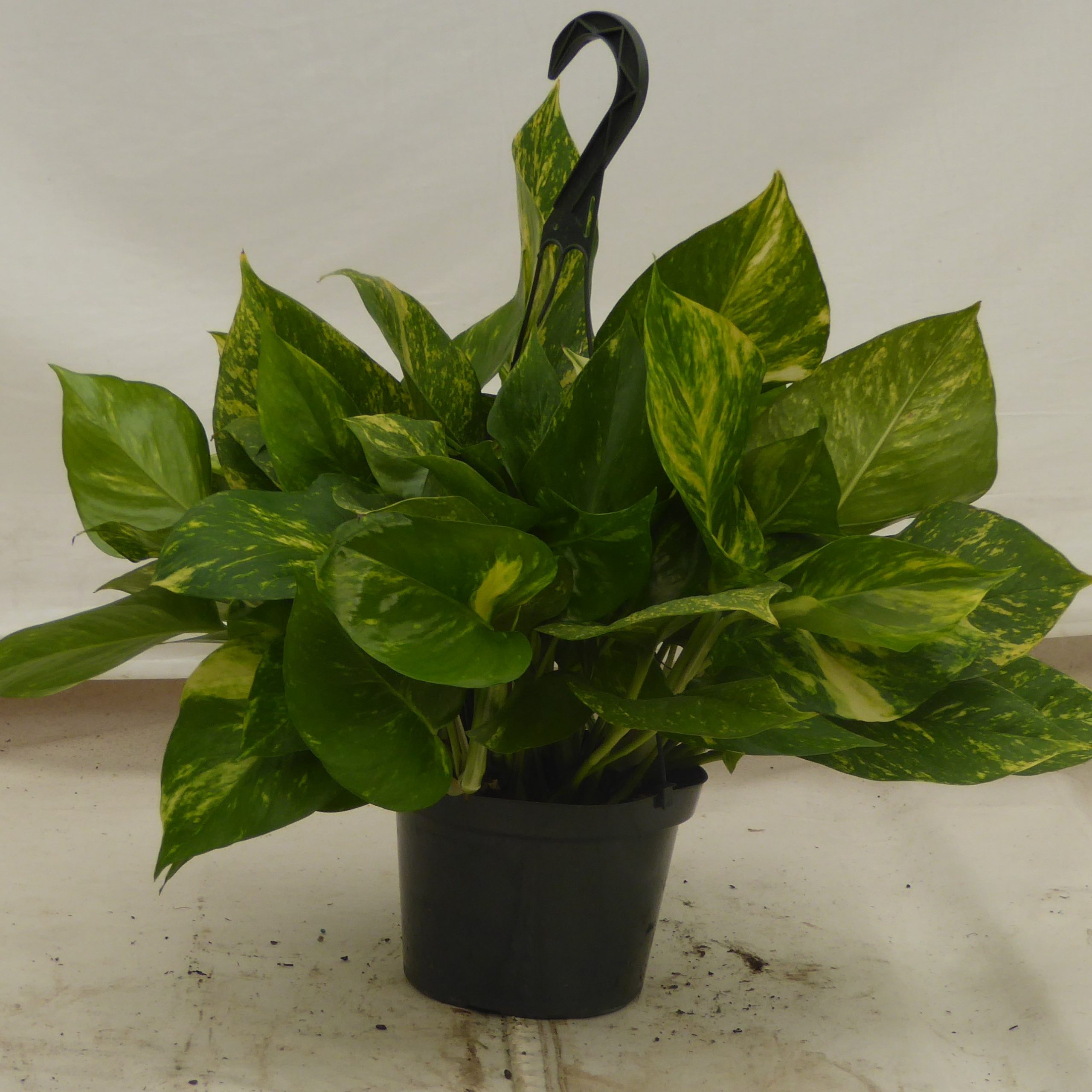
 

Chamaedorea seifrizii

Bamboo Palm (Chamaedorea seifrizii): The Effortless Tropical Houseplant for Lush, Relaxing Interiors

Looking to bring a touch of soft, tropical elegance into your home or workspace? The Bamboo Palm (Chamaedorea seifrizii) is one of the most dependable and stylish indoor palms available today. With its slender canes, feathery fronds, and naturally calming presence, this easy-care plant delivers instant resort-inspired charm—no green thumb required.

Whether you’re styling a cozy reading nook, refreshing an office lobby, or enhancing hospitality spaces, the Bamboo Palm adds natural warmth and lush vertical texture while staying incredibly forgiving and adaptable.

Downloadable Brochure

Why the Bamboo Palm Is a Must-Have Indoor Plant

Airy Tropical Elegance

The Bamboo Palm’s gracefully arching fronds and bamboo-like canes create a light, airy canopy that instantly softens any interior. Its clumping growth habit forms a lush “thicket” effect—full, vertical, and sculptural without ever feeling heavy.

Excellent Indoor Adaptability

Few palms thrive indoors as reliably as Chamaedorea seifrizii. It’s tolerant of medium to bright indirect light, adapts well to typical household humidity, and forgives occasional lapses in care. Ideal for homes, offices, lobbies, and commercial environments.

Container-Friendly and Low Maintenance

This palm maintains its shape and density for years in the same container and is equally content when repotted. It remains consistently lush with minimal pruning—just remove older fronds at the base.

Light-Loving but Low-Light Tolerant

The Bamboo Palm thrives best in bright, indirect to medium light. While it’s adaptable, it does not prefer deep low-light corners, making it perfect for well-lit interiors

Moderate Water Needs

Bamboo Palms prefer evenly moist soil but must never sit in water. Allow the top layer to dry slightly between waterings. They perform beautifully in controlled-watering systems like self-watering pots or sub-irrigated planters—great options if you’re aiming for easy, consistent care.

Year-Round Appeal

A moderate grower, this palm stays lush and full all year. Its evergreen foliage and reliable shape make it an excellent long-term plant for nearly any interior style—from tropical modern to classic resort-inspired decor.

Versatile Styling

Use the Bamboo Palm as:

    • A standalone statement piece in tall decorative planters
    • A soft room divider or natural privacy screen
    • Part of a layered tropical arrangement with underplantings like pothos or philodendron

Available Sizes

We offer Bamboo Palms in 3-gallon, 5-gallon, and 7-gallon containers, ranging from 3–4 ft young plants to 8–10 ft mature indoor specimens. Indoors, they typically top out around 8–10 ft, becoming fuller over time as new multi-stemmed shoots emerge.

Botanical Background

The genus name Rhapis comes from the Greek word for “rod” or “needle,” while multifida means “much split,” a nod to its finely divided leaflets. Compared to its relative, Rhapis excelsa, the multifida has slender, slightly paler leaves and a softer, cascading structure — giving it a gentle, graceful character that many consider the most beautiful of all Rhapis species.

Perfect For:

    • Residential living rooms and cozy corners
    • Corporate offices and commercial interiors
    • Hotels, hospitality settings, and lobbies
    • Anyone looking to improve indoor air quality with a proven air-purifying plant

Bring the relaxed, tropical energy of the Chamaedorea seifrizii into any indoor space for a natural, warm, and inviting atmosphere.

Botanical Background: What Makes Chamaedorea seifrizii Unique

Native to the understory of Mexico and Central America, the Bamboo Palm naturally grows in softly filtered forest light—one reason it performs so well indoors. Its slim, reed-like stems develop in dense clusters, forming a natural vertical accent. The narrow, feathered leaflets create a soft, airy canopy that moves gently with indoor airflow.

This species stays medium-sized compared to many palms, making it ideal for long-term indoor use without outgrowing its space.

And a fun fact:
West Coast Nurseries is the only grower in Hawaii, and no growers in California produce this beautiful palm.

Grower’s Tips for a Thriving Bamboo Palm

    • Avoid overwatering — the #1 cause of issues. Keep soil lightly moist, never soggy.
    • In lower light, the plant drinks more slowly, so water less frequently.
    • Brown tips? This palm can be sensitive to salts and fluoride. Switching to filtered or distilled water keeps foliage looking pristine.
    • Provide good drainage and avoid letting the pot sit in standing water

Best Companion Plants

Pair your Bamboo Palm with other moisture-compatible tropicals such as:

    • Pothos
    • Philodendron
    • Dieffenbachia

They make excellent underplantings for a layered, botanical look.

Key Characteristics at a Glance

Attribute Profile
Light Medium–High (bright, indirect ideal)
Water Medium; evenly moist, never soggy
Pest Resistance Medium
Growth Habit Medium–Large
Popularity High

Bring Home the Bamboo Palm Today

The Chamaedorea seifrizii is more than just a houseplant—it’s a timeless, soothing presence that elevates any interior with tropical charm and effortless elegance. Perfect for busy households, stylish businesses, and plant lovers wanting maximum beauty with minimal maintenance.

For availability or to place an order, contact:
West Coast Nurseries Group, Inc.
sales@westcoastnurseries.com
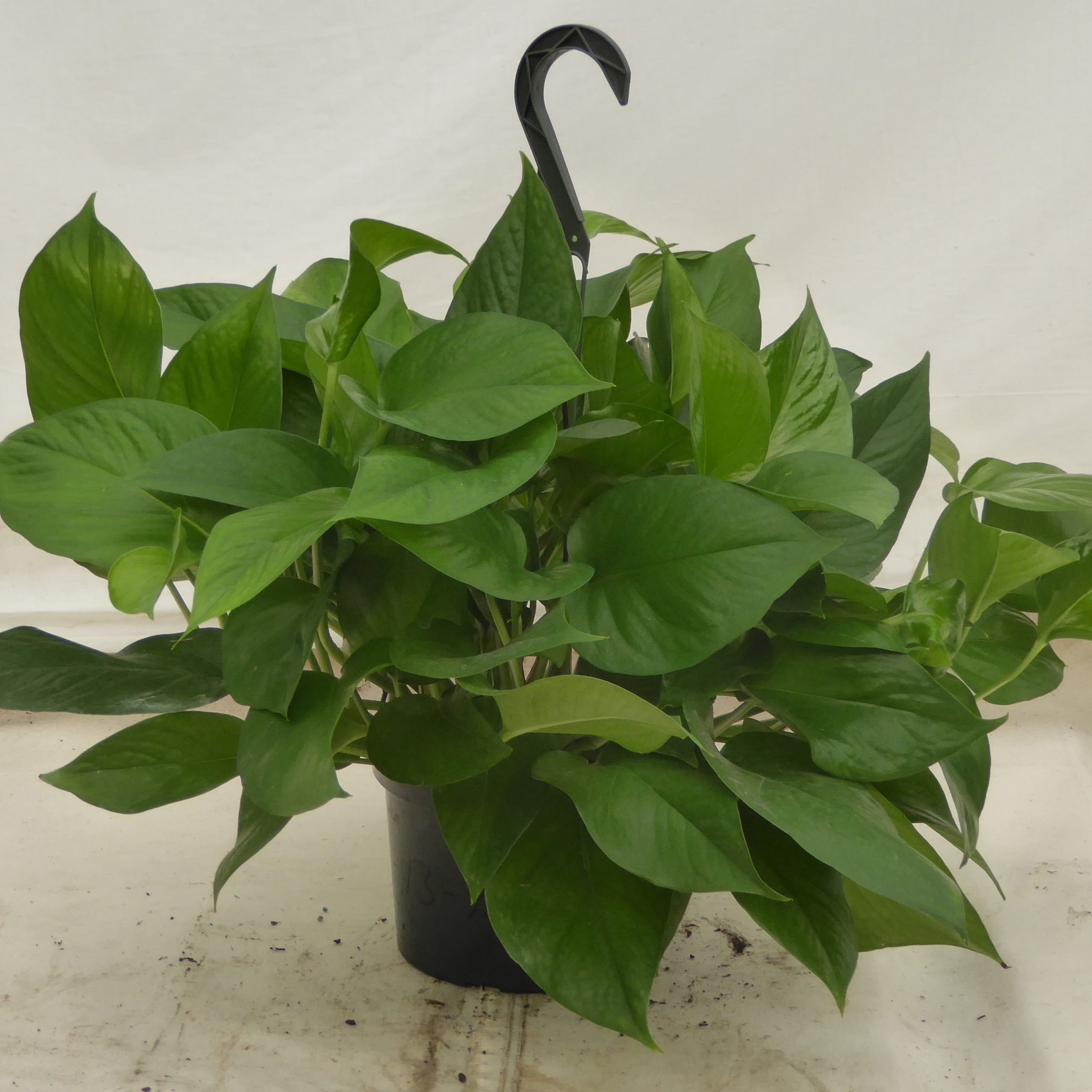
 

Rhapi multifida

Plant Feature: Rhapis multifida — The Rare “Jade Empress Palm”

Bring rare tropical refinement to your space with the Rhapis multifida, also known as the Jade Empress Palm or Lady Finger Palm. Elegant, exclusive, and nearly impossible to find elsewhere, this palm embodies understated luxury and botanical sophistication.

We are the only grower currently producing Rhapis multifida, as viable commercial seed sources simply do not exist. Every plant we sell is grown from seed collected directly from our own mature, thriving specimens — ensuring authenticity, quality, and exclusivity you won’t find anywhere else.

Downloadable Brochure

Why You’ll Love the Rhapis multifida

Exclusively Grown by Us

Our Rhapis multifida palms are truly one of a kind. Each plant is cultivated from hand-collected seed, making this a rare opportunity to own an authentic multifida propagated from verified parent stock. No other nursery in the U.S. currently offers this species.

Tough but Graceful

Don’t let its delicate, slender fronds fool you — this palm is as resilient as the classic Rhapis excelsa, tolerating a wide range of indoor environments. It’s a low-maintenance choice for homeowners, designers, and plant collectors seeking effortless beauty.

Container-Friendly Versatility

Sold in 5-gallon and 7-gallon sizes, the Rhapis multifida is perfectly suited for container growth. Its compact root system and steady pace mean it thrives indoors for years without repotting — ideal for refined interior landscapes or elegant commercial installations.

Lighting Adaptable

The multifida thrives in bright, indirect light, yet it adapts easily to moderate or even low-light conditions. With gradual acclimation, it can handle brighter exposures — making it a perfect fit for everything from shaded lobbies to sunlit living rooms.

Low Water Needs

This palm prefers to dry slightly between waterings, with overwatering being its only enemy. It’s an excellent candidate for self-watering pots or sub-irrigation systems, simplifying care while keeping it lush and healthy.

Slow and Steady Growth

A measured grower that retains its structure and poise year-round, the Rhapis multifida requires only the occasional removal of older fronds. Its form remains refined, airy, and beautifully architectural through every season.

Compact, Balanced Form

Compared to the more common Rhapis excelsa, the multifida is slimmer and more vertical, making it an excellent choice for curated interiors and design-conscious spaces. Its profile stays between 4.5 and 7 feet tall, providing dramatic presence without overwhelming its surroundings.

Perfect For:

    • Boutique hotels seeking tropical sophistication
    • Luxury residences with curated greenery
    • Designer offices and architectural interiors
    • Collectors seeking a rare, authentic palm species

The Rhapis multifida brings a subtle yet unmistakable tropical energy to any space — elegant, sculptural, and exceptionally rare.

Botanical Background

The genus name Rhapis comes from the Greek word for “rod” or “needle,” while multifida means “much split,” a nod to its finely divided leaflets. Compared to its relative, Rhapis excelsa, the multifida has slender, slightly paler leaves and a softer, cascading structure — giving it a gentle, graceful character that many consider the most beautiful of all Rhapis species.

Grower’s Tip

If you’re comfortable caring for a Rhapis excelsa, you’ll find the multifida very similar — just slightly more water-loving under comparable conditions. It’s easygoing, adaptable, and ideal for both beginner and experienced plant enthusiasts.

Pairs well with: minimalist interiors, neutral planters, and natural light. Let this palm shine as a standalone statement piece — it deserves the spotlight.

Key Characteristics

Attribute Profile
Light Low–Medium
Water Low
Pest Resistance Medium
Growth Habit Large
Popularity High


Rhapis Excelsa

Plant Feature: Rhapis Excelsa (Lady Palm)

Bring timeless tropical elegance to your interior space.

Downloadable Brochure

If you’re looking to elevate your space with lush greenery that exudes classic sophistication, the Rhapis Excelsa, commonly known as the Lady Palm, is a perfect choice.

Beloved by interior designers and plant enthusiasts alike, this low-maintenance tropical palm adds resort-style luxury to any home, office, or commercial space.


Why You’ll Love the Rhapis Excelsa

Classic Sophistication

A long-standing favorite in interior scapes and luxury design, the Lady Palm brings timeless grace and structure with its elegant, fan-shaped fronds and bamboo-like canes. Naturally full and multi-stemmed, its layered, symmetrical form softens any room while remaining hardy and easy to care for.

Hearty and Reliable

Among the most resilient indoor palms, Rhapis Excelsa adapts easily to a wide range of conditions — from low light to full sun. This makes it a proven performer for homes, offices, hotels, and commercial interiors. Its tolerance for variable environments has earned it a reputation as one of the best indoor plants for long-term success.

Container-Friendly

This palm thrives in containers and can remain in the same pot for years without needing transplanting. When repotted, it adapts quickly to its new home, making it a convenient choice for interior installations or landscape projects.

Lighting Adaptable

While it thrives in bright, indirect light, the Lady Palm is also remarkably tolerant of low-light interiors. With gradual acclimation, it can even handle full sun, making it one of the most versatile indoor palms available.

Low Water Needs

Rhapis Excelsa prefers to dry slightly between waterings and is sensitive to overwatering — its only real weakness. It performs beautifully in self-watering pots or sub-irrigation systems, making care nearly effortless for busy homeowners or facility managers.

Slow and Steady Growth

This slow-growing palm maintains its lush, vibrant look year-round with minimal maintenance. Simply remove older fronds as they age to keep the plant full and fresh.

Versatile Use

The Lady Palm makes a stunning statement as a standalone feature in a decorative planter, or it can be paired with trailing plants like pothos or philodendron for layered texture.

Available Sizes

We offer Rhapis Excelsa in a wide range of sizes — from compact 3-foot specimens to mature 12-foot palms. Indoors, they rarely exceed 12–14 feet but continuously produce new shoots from the base, creating a lush, full-bodied appearance

Perfect For:

  • Serene lounge areas and lobbies
  • Boutique hotels and hospitality interiors
  • Office and corporate environments
  • Upscale homes seeking a refined tropical accent
  • Shaded patios and covered outdoor spaces

Bring the elegance of the tropics indoors — contact us today to add the Rhapis Excelsa to your space!

About the Rhapis Excelsa (Lady Palm)

The Lady Palm is an evergreen, fan-shaped palm with slender, upright, bamboo-like canes that grow in dense clusters. Its distinctive broad, glossy leaves are divided into five to eight finger-like segments, creating a striking architectural form. Slow-growing and steady, this palm maintains a consistent, full appearance for years, making it ideal for indoor tropical designs or low-light corners that need a touch of green.

Native to southern China, Rhapis Excelsa may no longer exist in the wild but remains one of the most beloved cultivated palms worldwide. The name Rhapis comes from the Greek word for “rod” or “needle,” while Excelsa means “tall” — a fitting nod to its elegant, upright habit.

Care Tips for Rhapis Excelsa:

  • Light: Low to medium light; tolerates bright, indirect light and occasional full sun.
  • Water: Low water needs; allow the top inch of soil to dry between waterings.
  • Soil: Use a well-draining potting mix to prevent root rot.
  • Temperature: Keep above 50°F; suitable for typical indoor temperatures
  • Fertilizer: Feed with a balanced slow-release fertilizer during the growing season.
  • Propagation: clumps from the rhizome for easy propagation.

Grower’s Tip:

Most problems with the Lady Palm occur due to overwatering. In darker rooms, photosynthesis slows and the plant uses less moisture — meaning you should allow more time between waterings.

Key Characteristics

Attribute Profile
Light Low–Medium
Water Low
Pest Resistance Medium
Growth Habit Large
Popularity High

Pairs Well With

For an elevated indoor arrangement, pair your Rhapis Excelsa with pothos, philodendron, or other vining tropicals. Their cascading growth complements the Lady Palm’s vertical form, creating depth and a layered, resort-like aesthetic.

Final Thoughts

The Rhapis Excelsa (Lady Palm) combines tropical beauty with unmatched durability. Whether you’re curating a serene lounge, refreshing an office interior, or bringing a touch of nature to a modern home, this low-maintenance indoor palm offers a lasting impression of luxury and calm.

Shop Rhapis Excelsa today and experience the timeless sophistication of the Lady Palm.


Adonidia

Plant Feature: Adonidia Palm (Manila Palm)

Exclusive tropical elegance grown in Hawaii — shipped fresh to California.

Downloadable Brochure

Bring resort-style sophistication to your home, office, or commercial space with the Adonidia Palm (Adonidia merrillii) — also known as the Manila Palm or Christmas Palm. This refined, low-maintenance palm brings instant tropical elegance to any interior or courtyard setting.

Unlike typical nursery stock, our Adonidia Palms are exclusively cultivated in Hawaii and shipped directly to California — offering unmatched quality, tropical provenance, and authenticity you won’t find anywhere else.

Why You’ll Love the Adonidia Palm

Exclusive Availability

We are the only nursery growing Adonidia Palms in Hawaii and shipping them to California. Each palm is nurtured under ideal tropical conditions before being delivered to your space — ensuring premium quality, strength, and lush green vitality.

Self-Cleaning Elegance

No pruning required! When a frond begins to fade, it naturally detaches and falls away. The self-cleaning nature of the Adonidia Palm makes it an effortless addition to both indoor and outdoor spaces.

Architectural Beauty

With its smooth trunk and arching fronds, this palm offers sculptural structure and balance. Available in both single-trunk and multi-trunk forms (7-gallon and 10-gallon sizes), it’s ideal for:

  • Hotel lobbies
  • Courtyards
  • Designer offices
  • Residential interiors
  • Raised planters

Each palm provides a vertical, elegant silhouette that brings a true resort aesthetic indoors.

Light-Loving

The Manila Palm thrives in bright, indirect light near windows or skylights. It also adapts well to medium-light areas, making it perfect for interiors that crave a natural tropical accent.

Moderate Water Needs

Keep the soil evenly moist but not waterlogged. The Adonidia Palm loves consistency, making it a great candidate for self-watering pots or sub-irrigation systems (available at our nursery).

Grower’s Tip:
Up-pot early so the palm retains more moisture. Its roots dislike completely drying out — a slightly larger pot or a self-watering container helps maintain the ideal balance.

Steady, Long-Lived Growth

A moderate grower, the Adonidia Palm matures gracefully over time. It’s a low-fuss investment plant that offers enduring tropical beauty for years with minimal care.

Versatile Design Use

From luxury residences to boutique hotels and architectural offices, this palm functions beautifully as:

  • A focal specimen
  • A canopy layer that filters gentle light
  • An accent plant enhancing open-air or interior designs

Perfect For

  • Hotel lobbies and reception areas
  • Residential interiors with natural light
  • Designer studios and commercial spaces
  • Tropical courtyards and patios

With its smooth, slender trunk and vibrant fronds, the Adonidia Palm delivers a refined, tropical statement that elevates any environment.

Additional Information

Botanical Background

The genus name Adonidia translates to “little Adonis,” referencing the plant’s beauty and compact stature. Commonly called the Christmas Palm, it produces bright red berries in December, adding seasonal color to its graceful green canopy.

Each frond measures 4 to 6 feet in length, forming a soft, umbrella-like canopy that adds shade and structure. The palm typically grows to 6–9 feet indoors, maintaining the perfect scale for refined interiors or courtyards.

Care Summary

  • Light: High to medium; bright indirect light preferred
  • Water: Medium; keep evenly moist
  • Pest Resistance: High
  • Growth Habit: 7+ feet tall
  • Popularity: Increasing rapidly among designers and collectors

Pairs Well With

Low-growing tropicals that complement but don’t compete with its trunk structure:

  • Pothos
  • Aglaonema
  • Philodendron

These understory plants enhance the layered, tropical look while letting the Adonidia Palm’s architecture take center stage.

Bring Home Tropical Luxury

Whether placed in a hotel atrium, residential entryway, or modern office lobby, the Adonidia Palm transforms ordinary spaces into lush, resort-inspired retreats.

Contact us today to reserve your Hawaii-grown Adonidia Palm — a piece of the tropics, delivered straight to California.