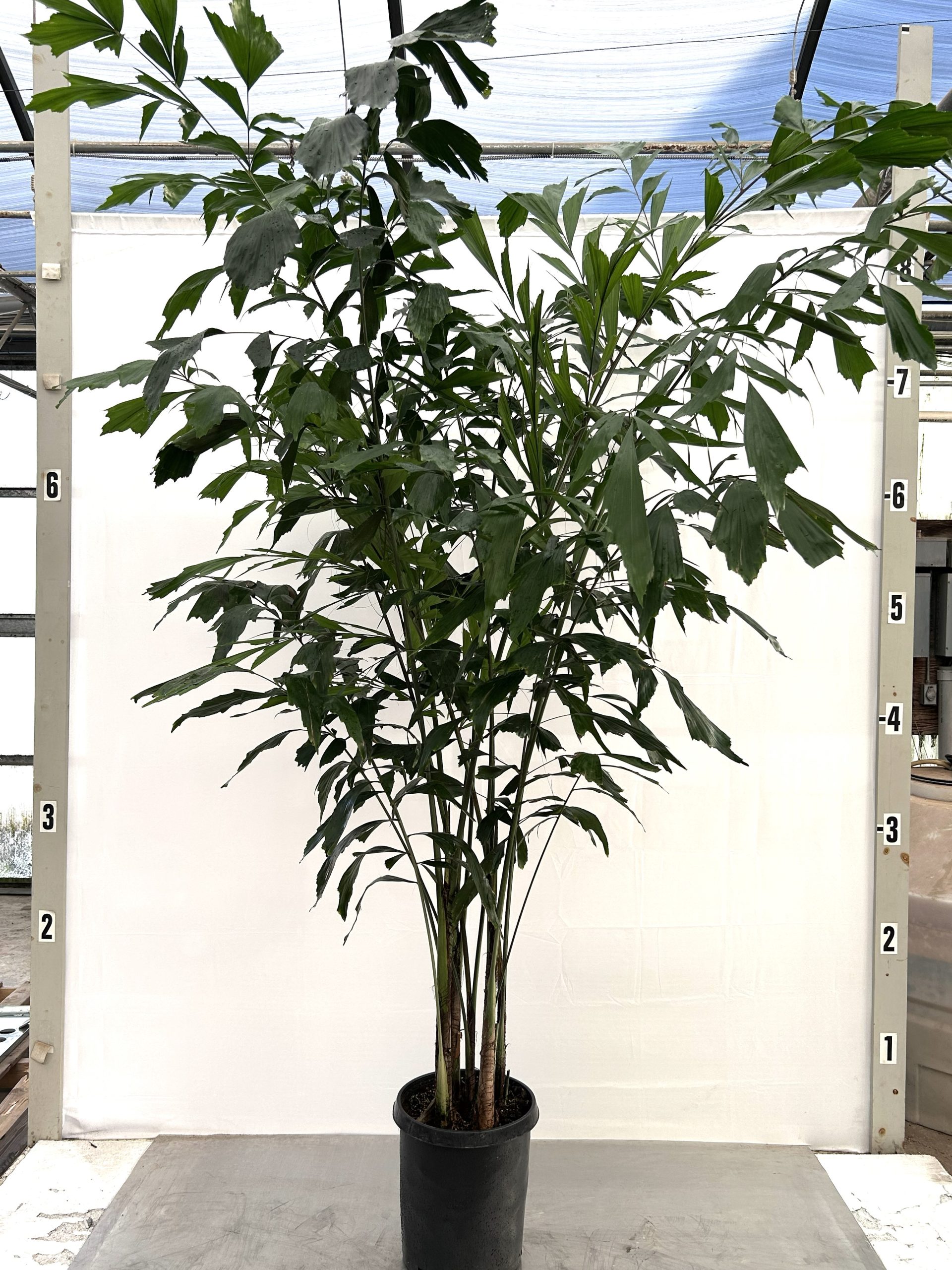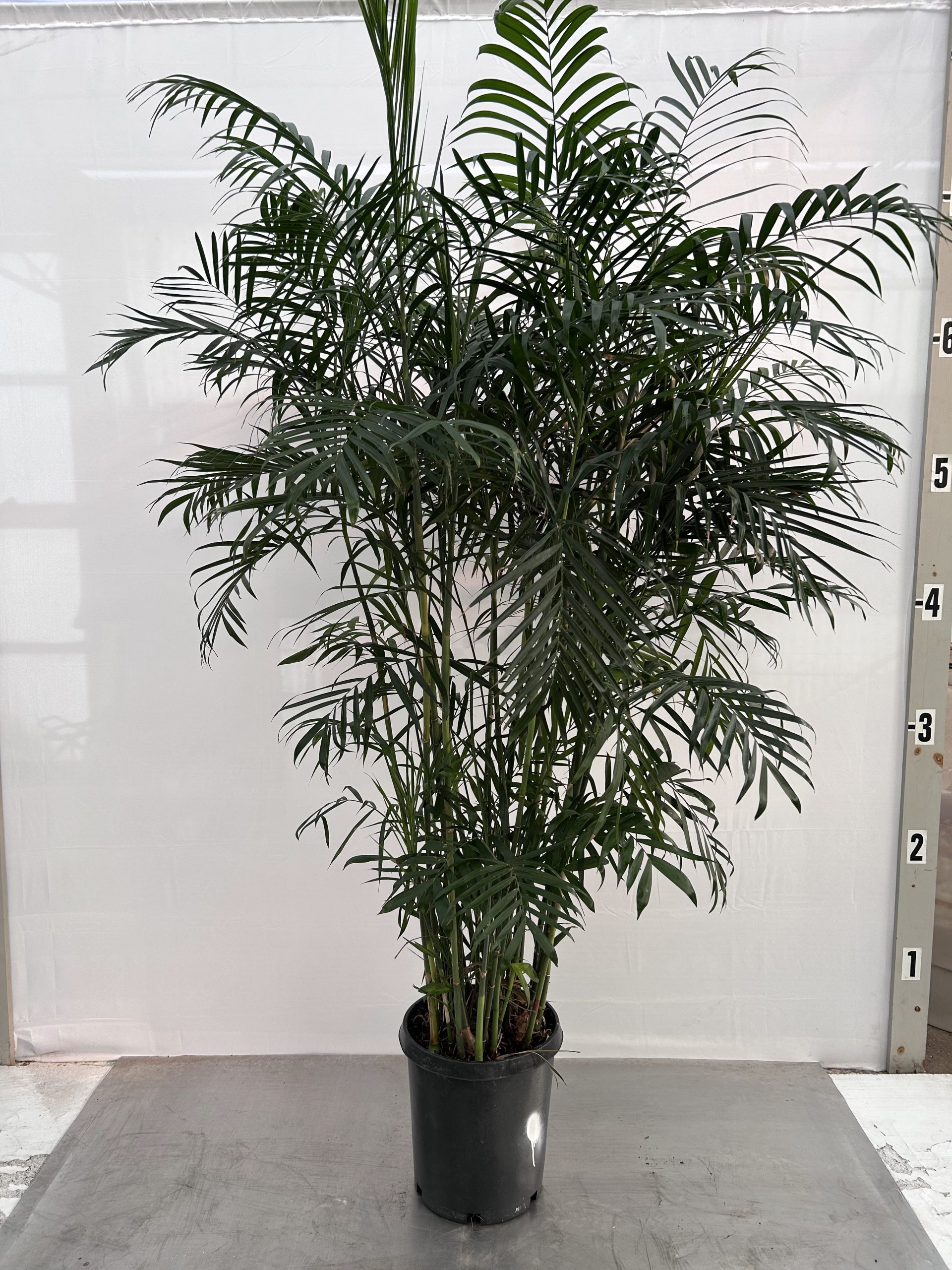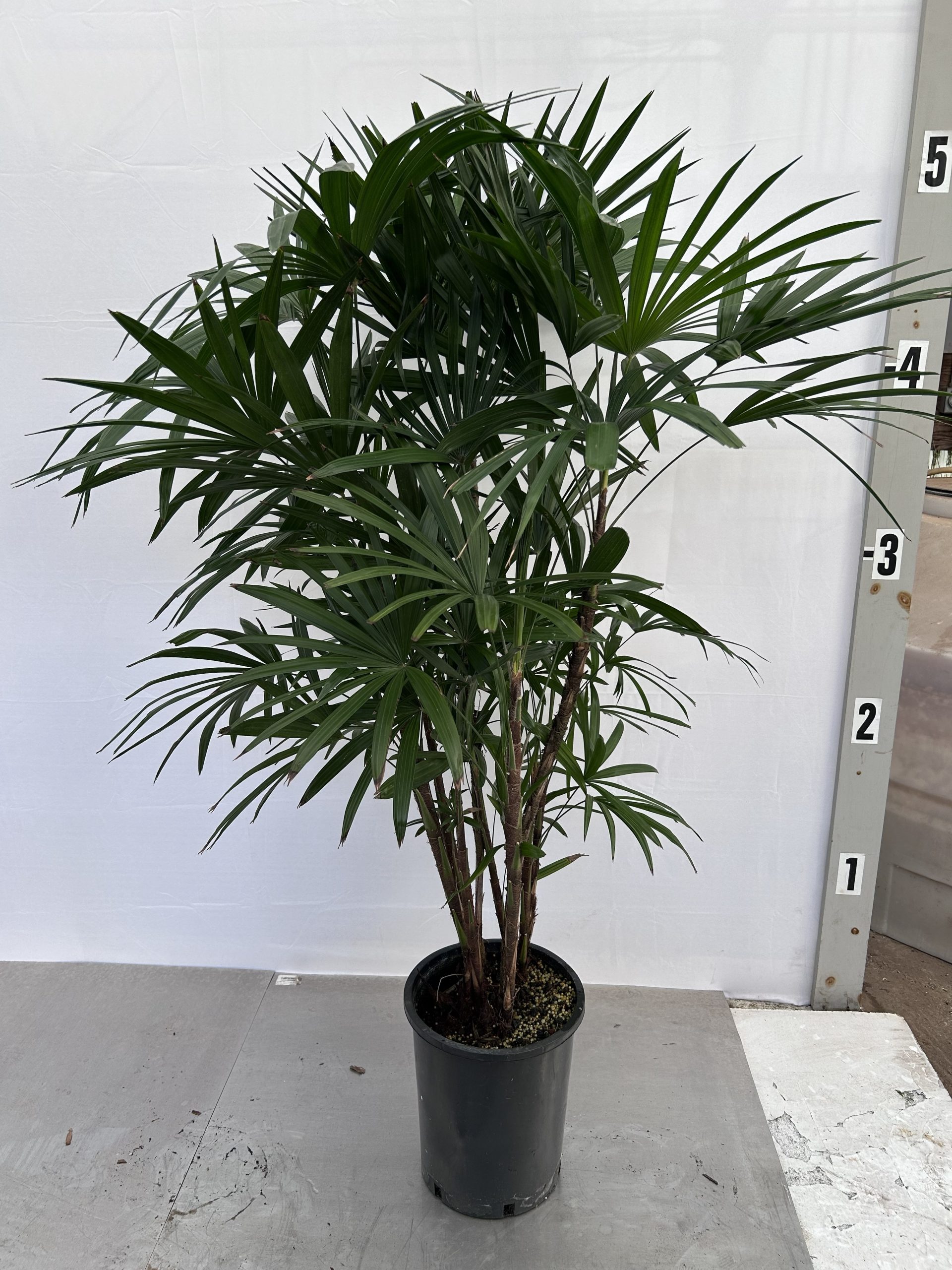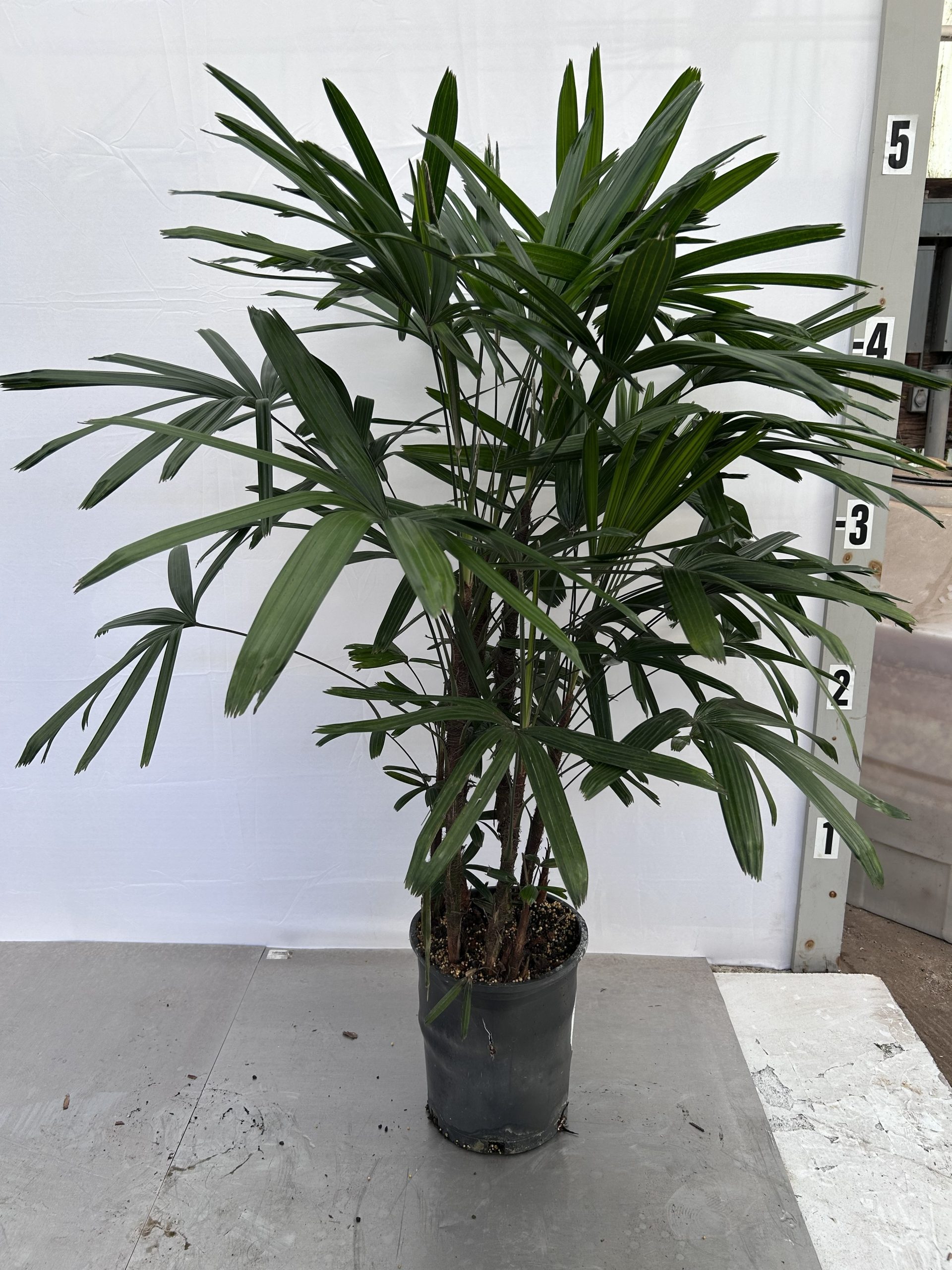
All posts by mark d

Adonidia

Plant Feature: Adonidia Palm (Manila Palm)

Exclusive tropical elegance grown in Hawaii — shipped fresh to California.

Downloadable Brochure

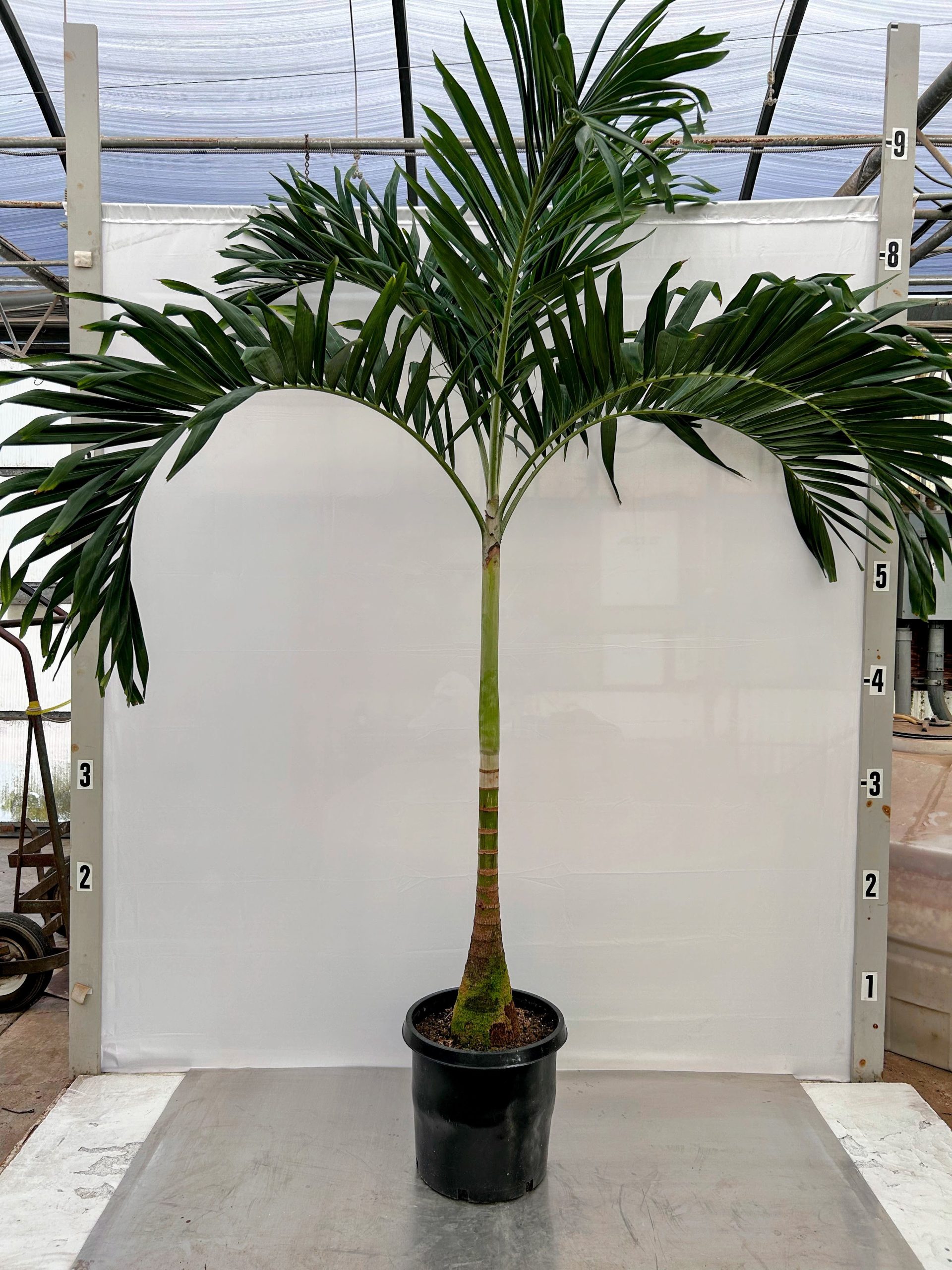
Bring resort-style sophistication to your home, office, or commercial space with the Adonidia Palm (Adonidia merrillii) — also known as the Manila Palm or Christmas Palm. This refined, low-maintenance palm brings instant tropical elegance to any interior or courtyard setting.

Unlike typical nursery stock, our Adonidia Palms are exclusively cultivated in Hawaii and shipped directly to California — offering unmatched quality, tropical provenance, and authenticity you won’t find anywhere else.

Why You’ll Love the Adonidia Palm

Exclusive Availability

We are the only nursery growing Adonidia Palms in Hawaii and shipping them to California. Each palm is nurtured under ideal tropical conditions before being delivered to your space — ensuring premium quality, strength, and lush green vitality.

Self-Cleaning Elegance

No pruning required! When a frond begins to fade, it naturally detaches and falls away. The self-cleaning nature of the Adonidia Palm makes it an effortless addition to both indoor and outdoor spaces.

Architectural Beauty

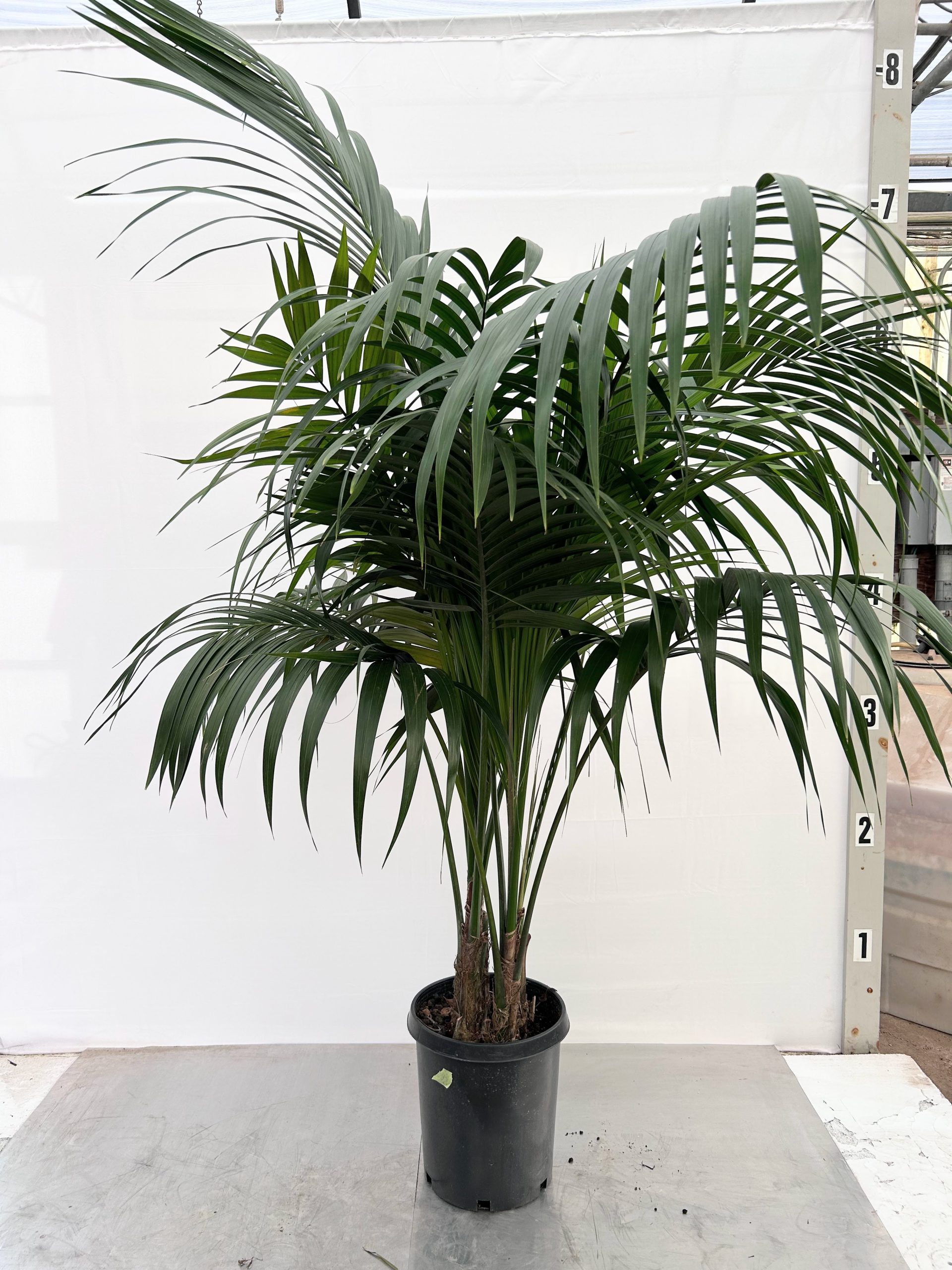
With its smooth trunk and arching fronds, this palm offers sculptural structure and balance. Available in both single-trunk and multi-trunk forms (7-gallon and 10-gallon sizes), it’s ideal for:

  • Hotel lobbies
  • Courtyards
  • Designer offices
  • Residential interiors
  • Raised planters

Each palm provides a vertical, elegant silhouette that brings a true resort aesthetic indoors.

Light-Loving

The Manila Palm thrives in bright, indirect light near windows or skylights. It also adapts well to medium-light areas, making it perfect for interiors that crave a natural tropical accent.

Moderate Water Needs

Keep the soil evenly moist but not waterlogged. The Adonidia Palm loves consistency, making it a great candidate for self-watering pots or sub-irrigation systems (available at our nursery).

Grower’s Tip:
Up-pot early so the palm retains more moisture. Its roots dislike completely drying out — a slightly larger pot or a self-watering container helps maintain the ideal balance.

Steady, Long-Lived Growth

A moderate grower, the Adonidia Palm matures gracefully over time. It’s a low-fuss investment plant that offers enduring tropical beauty for years with minimal care.

Versatile Design Use

From luxury residences to boutique hotels and architectural offices, this palm functions beautifully as:

  • A focal specimen
  • A canopy layer that filters gentle light
  • An accent plant enhancing open-air or interior designs

Perfect For

  • Hotel lobbies and reception areas
  • Residential interiors with natural light
  • Designer studios and commercial spaces
  • Tropical courtyards and patios

With its smooth, slender trunk and vibrant fronds, the Adonidia Palm delivers a refined, tropical statement that elevates any environment.

Additional Information

Botanical Background

The genus name Adonidia translates to “little Adonis,” referencing the plant’s beauty and compact stature. Commonly called the Christmas Palm, it produces bright red berries in December, adding seasonal color to its graceful green canopy.

Each frond measures 4 to 6 feet in length, forming a soft, umbrella-like canopy that adds shade and structure. The palm typically grows to 6–9 feet indoors, maintaining the perfect scale for refined interiors or courtyards.

Care Summary

  • Light: High to medium; bright indirect light preferred
  • Water: Medium; keep evenly moist
  • Pest Resistance: High
  • Growth Habit: 7+ feet tall
  • Popularity: Increasing rapidly among designers and collectors

Pairs Well With

Low-growing tropicals that complement but don’t compete with its trunk structure:

  • Pothos
  • Aglaonema
  • Philodendron

These understory plants enhance the layered, tropical look while letting the Adonidia Palm’s architecture take center stage.

Bring Home Tropical Luxury

Whether placed in a hotel atrium, residential entryway, or modern office lobby, the Adonidia Palm transforms ordinary spaces into lush, resort-inspired retreats.

Contact us today to reserve your Hawaii-grown Adonidia Palm — a piece of the tropics, delivered straight to California.


Factors that Affect the Growth of Interior Foliage

Factors that Affect the Growth of Interior Foliage

You certainly have heard it all about the benefits of interior foliage. The benefits range from improved indoor environment to a range of health benefits. Even so, for your plant to give you these benefits, you have to keep it healthy. To do this, you need to understand the factors that affect the growth of your houseplants.

Light

This is a no brainer. Plants need light for photosynthesis. This is how your office foliage produces food. The more light that is available, the more food the plant will produce and the more growth you will notice. Windows facing east provide best light and temperature for your potted plants. All in all, while adequate light is important, too much of it will damage your interior foliage.

In a building, the amount of light in any given location is variable. To make sure you purchase wholesale interior foliage that will survive in your home, pick the ones that can survive in your target location. If your room does not get much sunlight, then you need a houseplant that can survive in low light and vice versa for the brightly lit rooms.

Temperature

Temperature has a huge impact on the growth of indoor plants. You have to remember that most houseplants originate from the tropical and subtropical areas. This means they will not be able to withstand extreme low temperatures. High temperatures will speed up respiration thereby boosting plant growth.

Houseplants have varying requirements in the maximum and minimum temperature needs. A wholesale interior foliage expert will let you know the best temperatures for your target office foliage. Tropical plants like dracaena will do well at temperatures ranging between 90 and 95 degrees F. These are, however, high temperatures that you cannot tolerate indoors. As a result, the plants will adapt to room temperatures or 70 to 80 degrees F.

Relative humidity

This is the amount of moisture that is contained in the air. For the office foliage, relative humidity that is lower than 20% is low. 40 to 50 percent is considered medium whereas above 50% is high. In spite of its importance, relative humidity is the most overlooked factor when growing indoor plants. Tropical plants need higher humidity. You can compensate for the lack by placing your dracaena plants close together, using shallow containers filled with water and gravel to provide evaporation, use humidifiers, or use mist bottles.

Water

Everyone understands the importance of water to a plants growth. What most people tend to ignore is that the quality of water being used plays a significant part. In addition to learning how to water your plants properly, you have to use good quality water. Too much chlorine will damage your interior foliage.

The above are the main factors that will affect the health of your office foliage. Do not forget to give your plant proper nutrition with the right fertilizer designed for indoor use. Making sure your wholesale interior foliage is free from pests and dust will further benefit its growth. You should also not forget to prune and clean your plants.